Business
Rand Under Pressure As Oil Prices Surge And Global Markets Shake
Rand Feels The Heat As Oil Prices Surge
It has been a tense few days on global markets, and back home, South Africans are starting to feel the ripple effects. The rand has come under fresh pressure after a sharp spike in global oil prices rattled investor confidence and reignited fears around inflation.
Oil prices jumped by more than 7% following attacks on energy infrastructure in Iran, sending shockwaves through already fragile financial markets. By Thursday morning, oil was trading at around $111 a barrel, with prices still climbing. For an economy like South Africa’s, which relies heavily on imported fuel, that kind of surge is never good news.
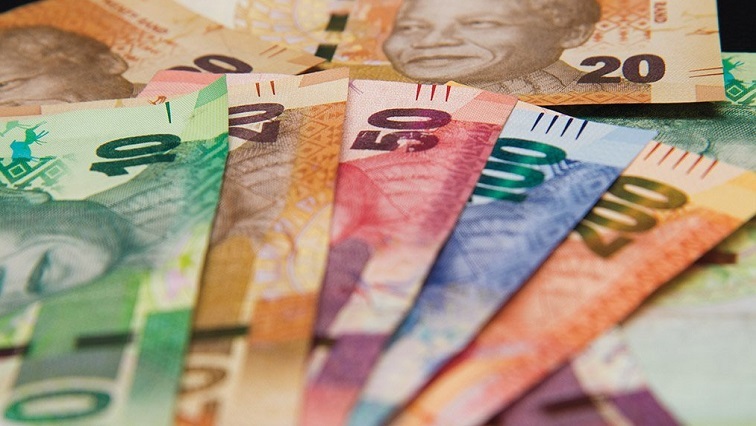
The immediate result has been a weaker rand, slipping to just above the R17 mark against the US dollar, with early trading figures sitting at around R16.94 to the dollar.
Global Markets React To Growing Inflation Fears
The reaction across international markets has been swift and uneasy. On Wall Street, all three major indices dropped by roughly 1.5% as investors responded to a mix of rising oil prices and troubling economic data.
A key concern is inflation. The latest US Producer Price Index came in higher than expected, suggesting that price pressures are far from under control. And that data does not yet fully reflect the latest oil spike, which could push inflation even higher in the coming weeks.
There is also growing anxiety around the US Federal Reserve’s stance. With a more aggressive approach to interest rates still on the table, markets are bracing for tighter financial conditions, something that typically weighs on emerging market currencies like the rand.
Asia Signals More Trouble Ahead
The negative sentiment did not stop in the US. Asian markets followed suit, with Japan’s Nikkei dropping 2.6% and South Korea’s KOSPI slipping by 1.3%.
Even central banks are starting to sound the alarm. Japan’s central bank held interest rates steady but acknowledged rising inflation risks, many of which are being driven by higher oil prices. It is a reminder that this is not a localised issue but part of a much broader global shift.
Investors are now watching closely for signals from the Bank of England and the European Central Bank, both of which are expected to address the inflationary impact of rising energy costs.
What It Means For South Africa
For South Africans, the implications go beyond exchange rates flashing on trading screens. A weaker rand combined with higher oil prices often translates into more expensive fuel, increased transport costs, and ultimately higher prices at the till.
It also places additional strain on an economy that is already navigating slow growth, persistent unemployment, and ongoing infrastructure challenges. When global shocks hit, they tend to land harder locally.
All Eyes On What Comes Next
For now, the rand’s direction will likely remain tied to global developments. Upcoming US jobless claims data could offer further clues about the strength of the world’s largest economy and the path of interest rates.
Locally, analysts are urging caution. The combination of rising oil prices and global inflation concerns creates a volatile environment, one where currencies like the rand are particularly vulnerable.
In the days ahead, it will not just be about what happens in South Africa, but how the rest of the world responds to a rapidly shifting economic landscape.
{Source:IOL}
Follow Joburg ETC on Facebook, Twitter , TikTok and Instagram
For more News in Johannesburg, visit joburgetc.com