
education
How a Joburg aftercare programme is changing inner-city children’s lives
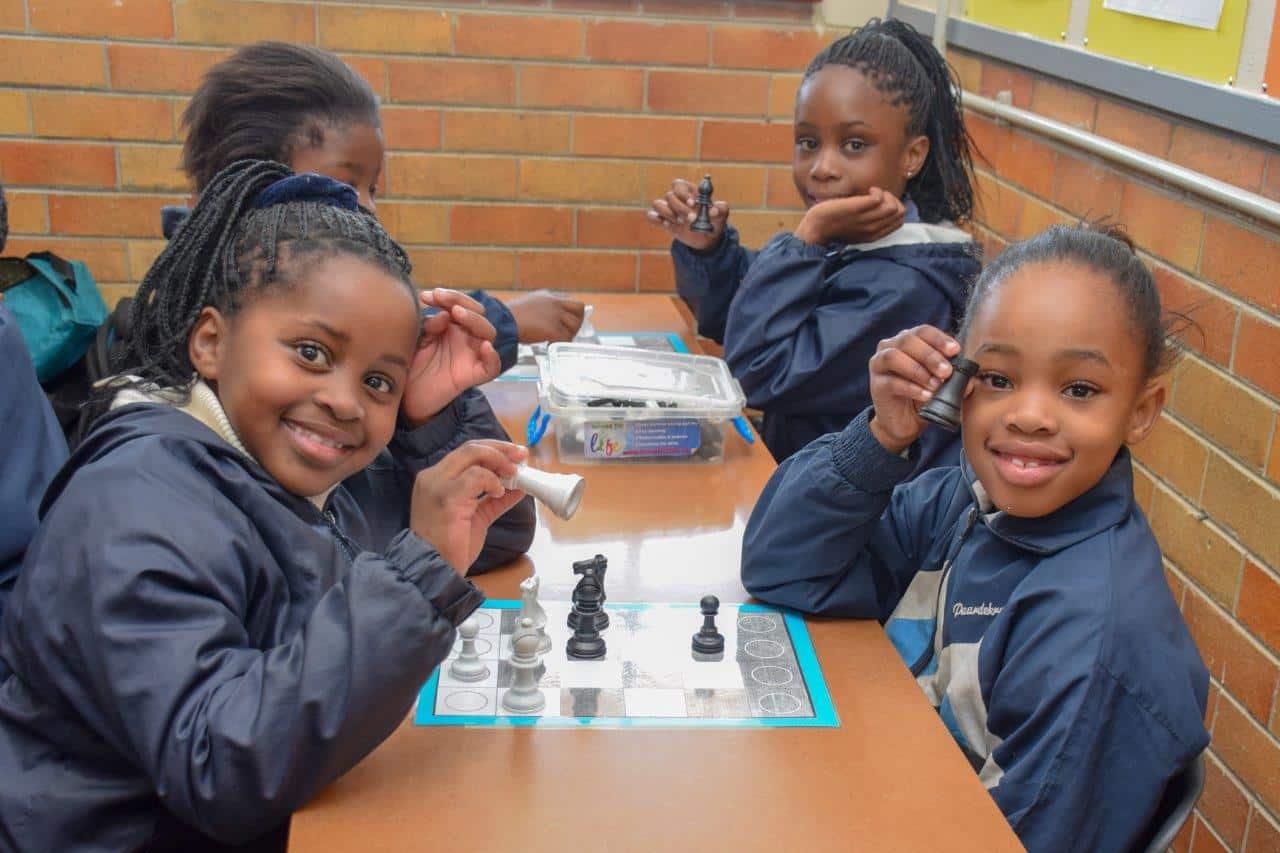
In the heart of Johannesburg’s inner city, where daily life can feel uncertain, and resources are often stretched thin, a small but determined initiative is quietly reshaping what opportunity looks like for hundreds of children.
Safe Study, an aftercare programme based at Victoria Yards, has grown from humble beginnings into a vital space for learning, creativity, and stability. But its story does not begin in a classroom. It begins on a pavement.
A response born out of crisis
When the Covid lockdown forced schools to close, many children in the inner city were left without structure, support, or a place to learn.
It was during this time that Georgina Bennett, volunteering at a local soup kitchen, noticed something difficult to ignore. Children were roaming the streets during school hours with little to guide their day.
Armed with a handful of books and basic stationery, she began teaching a small group outside. Within weeks, that group grew rapidly. The demand was clear. Children wanted to learn, and they were showing up.
The project was started alongside community member Sis Lungi, whose role in those early days laid an important foundation. After Bennett later moved overseas, and following Lungi’s passing, Nicola Valentine stepped in to carry the initiative forward.
Building something that lasts
Valentine, who had spent decades working in the film industry, shifted her focus entirely to the programme. What began as an informal effort has since developed into a structured aftercare space supporting around 150 children between the ages of nine and 16.
The need, however, goes far beyond those currently enrolled. Hundreds more remain on a waiting list, highlighting just how limited access to supportive learning spaces can be in the city.
Children arrive after school to a welcoming environment that blends academic support with activities designed to build confidence and emotional resilience.
Learning beyond textbooks
At Safe Study, education is not confined to traditional subjects.
The programme offers chess, music, art, sewing, beadwork, leatherwork, and upcycling, giving children opportunities to explore skills they might not otherwise encounter. These activities are not just creative outlets; they also play a role in helping children process their experiences and express themselves.
Chess, in particular, has become a standout. It encourages focus and strategic thinking, and some learners have already gone on to win medals at the provincial level.
For many of the children, the sense of achievement that comes from creating something or mastering a skill is just as important as academic progress.
The reality behind the need
While the programme offers a sense of stability, it exists within a much larger context of challenges.
Many of the children come from communities where access to basic resources is inconsistent. Issues like water shortages can disrupt schooling entirely, leaving gaps in learning that are difficult to recover from.
Funding is another ongoing concern. Keeping a programme like this running requires constant support, and resources are often stretched.
Yet despite these challenges, the work continues.
Why spaces like this matter
In a city as dynamic as Johannesburg, stories like this often unfold quietly, away from headlines. But they reflect something important about how communities respond when systems fall short.
Safe Study is not just about homework help. It is about giving children a place to feel seen, supported, and capable.
For families navigating the realities of inner-city life, that kind of space can make a lasting difference. It offers more than education. It offers possibility.
And sometimes, that starts with nothing more than a few books, a pavement, and the decision to show up.
Follow Joburg ETC on Facebook, Twitter, TikT
For more News in Johannesburg, visit joburgetc.com
Source: The Citizen
Featured Image: Silverstar Casino


