Interest rate hopes fade as global tensions threaten South Africa’s economy
Just a few months ago, South Africans were cautiously optimistic.
There was talk of relief, maybe even a few interest rate cuts to ease the pressure on households already stretched by rising living costs. But that optimism has taken a sharp turn.
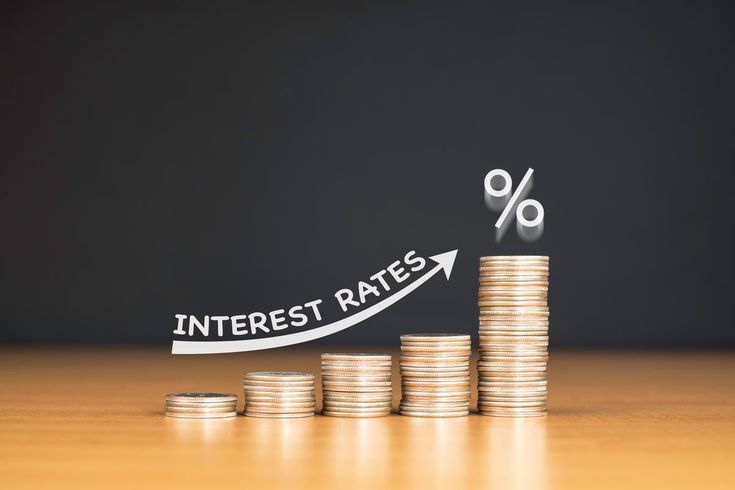
Now, the conversation has flipped entirely: instead of cuts, the market is bracing for rate hikes.
From relief to reality: what changed?
The shift didn’t happen in isolation.
Global tensions, particularly the escalating conflict involving Iran, the United States, and Israel have sent shockwaves through financial markets.
At the centre of it all is the Strait of Hormuz, a narrow waterway responsible for a significant share of the world’s oil supply. Its disruption has pushed oil prices sharply higher.
For South Africa, that matters more than most people realise.
Oil surges, rand weakens and inflation follows
Since the start of the year, Brent crude prices have climbed dramatically nearly doubling while the rand has slipped to around R17.20 against the dollar.
That combination is a perfect storm.
Higher oil prices mean more expensive fuel. A weaker rand makes imports costlier. Together, they feed directly into inflation from petrol prices to the cost of transporting food.
And once inflation starts rising, interest rates usually follow.
A worrying shift in market expectations
Financial markets have already adjusted their outlook.
Where investors once expected multiple interest rate cuts over the next 18 months, they are now pricing in as many as four increases.
That’s not a small adjustment it’s a complete reversal.
The projected rate a year from now has jumped significantly, reflecting just how quickly sentiment has changed.
South Africa’s vulnerability exposed
Part of the concern lies closer to home.
South Africa’s strategic fuel reserves are limited sitting at roughly 7 to 8 million barrels, far below what energy-secure countries typically hold.
There’s another complication: much of that reserve is crude oil, not refined fuel. And with local refining capacity having declined sharply over the past decade, turning that crude into usable petrol isn’t straightforward.
In simple terms, the country is more exposed than it should be.
Pressure coming from every angle
It’s not just oil.
Electricity costs are rising, with new tariff increases approved for both direct customers and municipalities. Labour pressures are building too, with wage demands climbing across sectors and the minimum wage already increased earlier this month.
Then there’s food.
South Africa imports the majority of its fertiliser, making local agriculture vulnerable to global price spikes. If fertiliser costs rise, food prices often follow another blow to already stretched consumers.
Growth takes a hit
While inflation fears grow, economic growth is heading in the opposite direction.
Higher fuel costs could dampen tourism as travel becomes more expensive. Agricultural output may come under pressure. And broader uncertainty tends to make businesses more cautious.
It’s a difficult balancing act: slow growth on one side, rising prices on the other.
What the Reserve Bank is likely to do next
All eyes are now on the South African Reserve Bank and its Monetary Policy Committee.
Despite the mounting pressure, the most likely short-term move is… no move at all.
Economists expect the benchmark rate to remain unchanged for now, giving policymakers time to assess whether the current global turmoil will escalate or ease.
But beyond that, the path is far less certain.
A wait-and-see moment for everyone
For households, it means holding onto budgets a little tighter.
For businesses, it means planning cautiously.
And for policymakers, it means navigating one of the most uncertain economic environments in recent years.
South Africa doesn’t control global oil prices or geopolitical conflicts, but it certainly feels the impact.
What started as a hopeful year for interest rate relief has quickly become a waiting game filled with risk.
And for now, the message is clear: don’t expect borrowing to get cheaper anytime soon.