For a region that has spent weeks on edge, Tuesday brought something unfamiliar. A flicker of possibility.
From Washington to Beirut, and from Tehran to Tel Aviv, the tone shifted ever so slightly. Not because the war has ended, but because, for the first time in weeks, multiple doors to diplomacy cracked open at once.
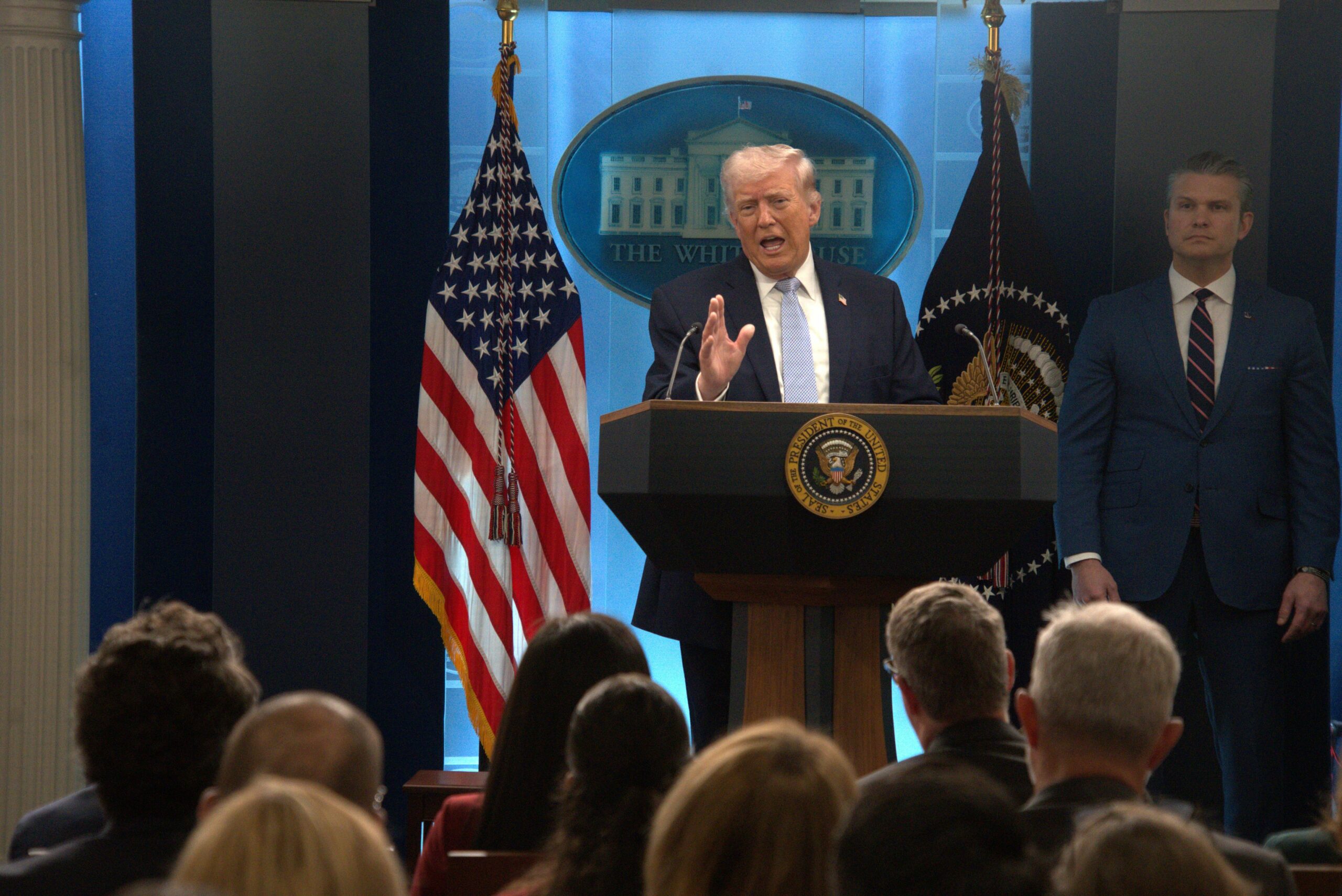
At the centre of it all is Donald Trump, who suggested that stalled talks between the United States and Iran could be back on the table within days. At the same time, Israel and Lebanon took a step many thought unlikely, agreeing to direct negotiations despite decades of hostility.
It is a fragile moment. But it is movement.
Trump Pushes For A Deal With Iran
After earlier negotiations failed to produce a breakthrough, Trump is now signalling a second attempt. According to reports, fresh talks with Tehran could happen soon, possibly in Pakistan.
The renewed push comes with pressure attached.
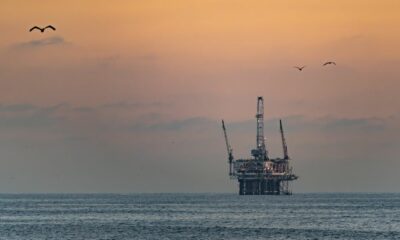
Washington has tightened its grip on Iran by enforcing a naval blockade aimed at cutting off trade routes. The move has raised tensions across global shipping lanes, especially in the oil-rich Gulf region.
Iran has pushed back strongly, warning that if its ports are threatened, the entire region could become unstable. It is the kind of rhetoric that reminds the world just how quickly things could spiral again.
Still, despite the threats, a temporary truce between the US and Iran is holding. Trump has even gone as far as saying the conflict could be nearing its end.
Israel And Lebanon Take A Rare Step Forward
While the US and Iran navigate their next move, another breakthrough is quietly taking shape.
Israel and Lebanon, two countries technically still at war, have agreed to open direct negotiations. It is the first high-level engagement of its kind in decades, with the last comparable talks dating back to the early 1990s.
The discussions were facilitated by Marco Rubio in Washington, bringing together representatives from both sides.
Lebanese President Joseph Aoun described the talks as a chance to finally ease the suffering of his people, many of whom have been caught in the crossfire of ongoing violence.
But the path forward is anything but smooth.
Hezbollah Threatens To Derail Progress
Even as diplomats met, rockets were being fired.
The militant group Hezbollah launched attacks on northern Israel, signalling clear opposition to any negotiations. For Hezbollah, which is closely aligned with Iran, talks with Israel are seen as a betrayal of its long-standing position.
This tension highlights the core challenge facing negotiators. Political leaders may be ready to talk, but armed groups on the ground still hold the power to disrupt any progress.
Lebanon’s involvement in the broader conflict has already come at a heavy cost, with thousands killed and more than a million displaced. Entire communities have been uprooted, adding urgency to calls for a ceasefire.
The Nuclear Question Still Looms
Beyond the battlefield, the biggest sticking point remains Iran’s nuclear programme.
The US wants firm guarantees that Iran will never develop nuclear weapons. Iran, on the other hand, is willing to limit its nuclear activity, but only temporarily.
Proposals have already been exchanged. The US reportedly pushed for a long-term halt to uranium enrichment, while Iran countered with a shorter suspension. Neither side has accepted the other’s terms.
According to JD Vance, Trump’s message to Tehran is simple. Give up nuclear ambitions, and economic growth could follow.
It is a high-stakes gamble, one that could reshape the region if it succeeds, or deepen divisions if it fails.
Why It Matters For South Africans
While the conflict feels distant, its impact is already being felt closer to home.
Global oil prices have reacted quickly to every development, rising sharply during periods of tension and easing when talks appear promising. That volatility feeds directly into South Africa’s fuel price cycle, something motorists know all too well.
With Brent crude hovering near the mid-$90 range, any escalation or breakthrough in the Middle East could influence what South Africans pay at the pump in the coming months.
It is a reminder that geopolitics does not stay in one place. It travels, often hitting everyday consumers first.
A Fragile Window Of Opportunity
There is no illusion that peace is around the corner.
Too many interests, too much history, and too many unresolved issues stand in the way. But what makes this moment different is the timing. Multiple diplomatic efforts are unfolding at once, creating a rare window where progress, however small, feels possible.
Even Antonio Guterres has urged leaders to seize the moment, warning that there is no military solution to the crisis.
For now, the guns have not fallen silent. But the conversations have started again.
And in a region defined by conflict, that alone is worth watching closely.