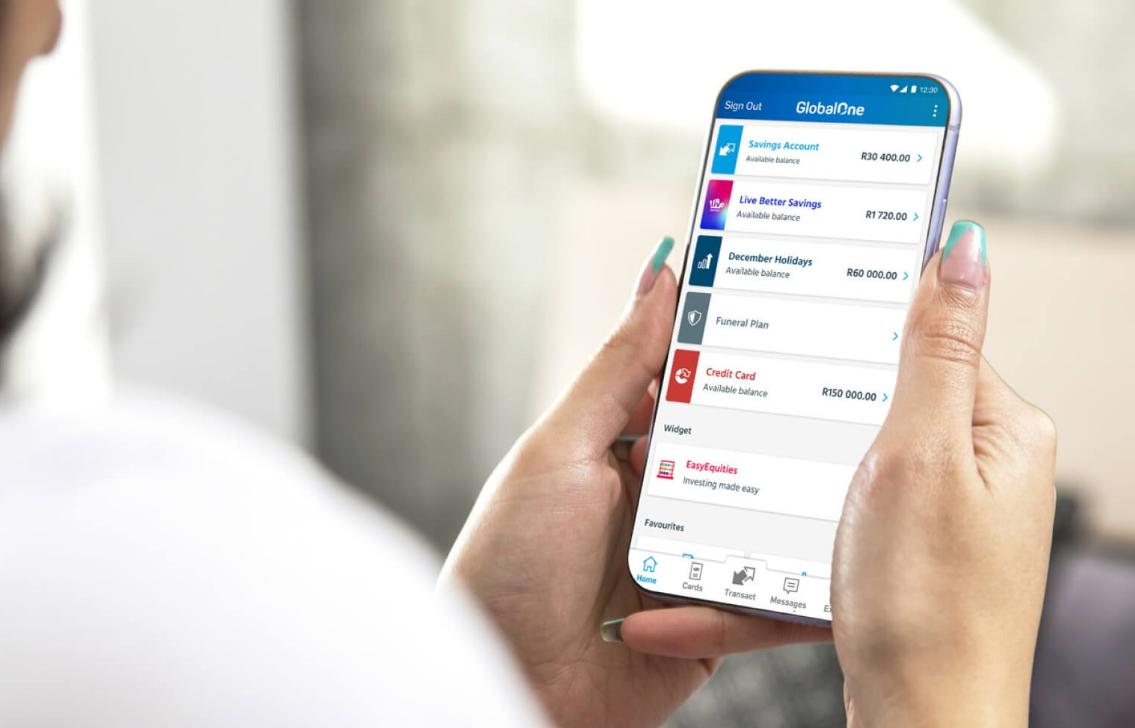
For millions of South Africans, banking now happens in the palm of your hand. But as convenience grows, so does risk. And scammers are getting smarter.
That is exactly what Capitec is trying to tackle with its latest move. The bank has introduced a new real-time fraud prevention feature inside its app, designed to stop suspicious payments before they go through.
A Warning Before Your Money Leaves
The idea is simple, but powerful.
If a payment raises red flags, the app will immediately notify the user and give them a chance to pause and rethink the transaction. It does not automatically block the payment, but it creates a moment of hesitation that could make all the difference.
According to Capitec’s Chief Information Officer, Andrew Baker, these alerts are precautionary. They are not a confirmation that someone is a fraudster, but rather a signal that something about the transaction looks risky.
In cases where uncertainty remains, the bank may delay the payment while running additional checks in the background.
It is a subtle shift in how banks approach fraud. Instead of only reacting after money is stolen, the focus is now on stopping losses before they happen.
The Scale Of The Problem In South Africa
Fraud is not a small issue. It is a growing, evolving threat that is hitting everyday South Africans.
Capitec revealed that in 2025 alone, it blocked more than 394,000 fraudulent transactions. That translated into over R642 million saved. On top of that, more than 64,000 mule accounts used to move stolen money were identified and shut down.
Those numbers tell a bigger story. Fraud is no longer just about hacking systems or stealing passwords. It is increasingly about manipulating people.
Why Scams Are Getting Harder To Spot
Think about how many deals you see online every day. Discounted smartphones on marketplaces, cheap holiday stays, or investment opportunities promising quick returns.
These are not random. They are carefully crafted traps.
Capitec says many scams today rely on what is known as push payment fraud. This is when victims are pressured or convinced to send money themselves, often believing they are making a legitimate payment.
In some cases, scammers even impersonate banks, sending urgent messages that push people to act quickly without thinking.
The common thread is urgency. The goal is to make you act before you pause.
How The New Tool Changes The Game
This is where the new feature comes in.
By flagging risky payments in real time, the app creates a crucial interruption. That moment of doubt can stop a scam in its tracks.
Capitec has been gradually rolling out this system since 2025 as part of a broader investment in smarter fraud detection. The focus is not just on technology, but on behaviour.
It is about recognising when something does not feel right and giving customers the chance to step back.
Simple Ways To Stay Safe
Even with better tools, awareness remains key.
Capitec is urging customers to slow down and think before making payments. Some of the most important tips include:
- Avoid paying deposits for goods or services you have not properly verified
- Be cautious of links sent via SMS or WhatsApp, even if they look legitimate
- Walk away from investment offers that start informally or promise unrealistic returns
The bank also warns that many scams are designed to look polished and believable. Sometimes the goal is not to steal your details directly, but to influence your next move.
A Shift In The Fraud Conversation
There is a growing misconception that fraud mainly comes from hacked devices or compromised systems.
While malware still exists, Capitec says many of today’s biggest risks come down to human interaction. In fact, its malware protection tools have already helped safeguard over 500 clients, preventing around R31 million in losses.
Still, the bigger battle is psychological.
This latest update reflects a shift in how banks are thinking. It is no longer just about building stronger walls. It is about helping customers recognise danger in real time.
And in a country where digital banking is booming, that extra moment to pause could be the difference between staying safe and losing everything.