South Africans are turning to a new grocery store selling food for up to 65% less
As food prices continue climbing across South Africa, many households have become experts at stretching every rand.
From bulk buying and WhatsApp grocery groups to hunting down yellow-tag specials before month-end, the cost-of-living crisis has changed the way people shop. Now, a new online grocery platform is gaining attention for offering products at prices many shoppers say feel “too good to be true.”
The platform, Still Good, sells discounted groceries, toiletries and household products often at prices up to 65% cheaper than traditional retailers.
And in a country where grocery bills have become one of the biggest monthly stress points, the idea is spreading fast online.
A different kind of grocery shopping
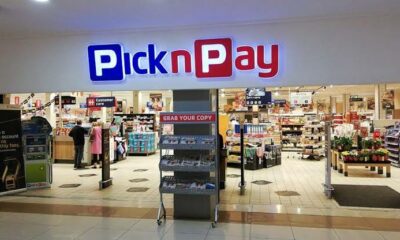
Launched in May 2025, Still Good has quickly expanded across South Africa, now working with more than 174 stores linked to retailers such as Pick n Pay, SPAR and Food Lover’s Market.
The platform currently operates in most provinces, including Gauteng, KwaZulu-Natal, the Western Cape and the Eastern Cape.
Unlike a traditional supermarket, Still Good focuses on surplus stock, short-dated products and groceries nearing their best-before dates.
That means shoppers can buy everyday products from snacks and pantry items to cleaning products and cosmetics at dramatically reduced prices.
According to the company, South Africans have already saved close to R4 million through the platform within its first six months.
The food waste problem most shoppers never see
For Steffen Burrows, the idea began long before the online store launched.
Burrows, who previously worked in retail, said he was shocked by how much food gets thrown away daily inside supermarkets.
In some stores, he explained, as much as 10% of food stock can go to waste every single day even when many products are still perfectly safe to eat.
That reality became the foundation for Still Good’s first business model: discounted “mystery bags” filled with unsold food close to its sell-by date.
The concept has since grown into a full online marketplace.
And in a country battling both rising hunger and rising food costs, many shoppers say the timing could not be better.
Why South Africans are warming to near-expiry products
For years, many consumers avoided products close to their best-before dates because of confusion around food safety.
But economic pressure is changing shopping habits.
Burrows says one of the biggest misconceptions is that “best before” means unsafe. In reality, many non-perishable products remain completely usable after that date, especially when stored correctly.
That message appears to be resonating.
On TikTok and Facebook, South Africans have been posting “Still Good hauls,” showing baskets of discounted groceries bought for a fraction of normal retail prices. Some users compare it to international discount chains popular in Europe and the UK, while others say it feels like “grocery shopping during payday even when it’s month-end.”
Interestingly, the company says demand is not only coming from struggling households.
According to customer data, many orders are being placed in wealthier suburbs too a sign that bargain hunting is becoming normal across income groups, not just among low-income consumers.
What shoppers can actually buy
The platform offers far more than canned food or dry goods.
Customers can buy snacks, household cleaning products, cosmetics, perfumes and even electronics such as earbuds.
Some stock comes from suppliers who ordered too much inventory, while other products are simply slow-moving items retailers need to clear quickly.
Fresh meat and deli products are excluded from the mystery bags for safety reasons, but shoppers can still expect a mix of bakery items, produce and packaged groceries depending on availability.
The locker delivery system changing convenience shopping
One reason the platform has grown so quickly is convenience.
Originally, customers had to collect mystery bags from participating stores during scheduled pickup times, usually later in the day.
Now, the company has partnered with The Courier Guy to offer collection through nationwide smart lockers.
Customers receive a PIN and can collect their order within 48 hours from a nearby locker point.
For busy urban shoppers especially in cities like Johannesburg, Cape Town and Durban that flexibility has become a major selling point.
More than just cheap groceries
Beyond saving money, Still Good taps into a growing global conversation around sustainability and food waste.
South Africa throws away massive amounts of edible food every year, even while millions of households struggle with food insecurity.
That contradiction has become increasingly difficult to ignore.
Still Good’s model attempts to solve both problems at once: helping suppliers reduce waste while helping consumers cut grocery costs.
And at a time when many South Africans feel financially squeezed regardless of income level, the platform’s popularity may say something bigger about the economy itself.
Cheap groceries are no longer just about saving money, they are becoming a survival strategy for some households and a smart lifestyle choice for others.