News
Rising transport costs keep many young jobseekers from interviews, experts warn
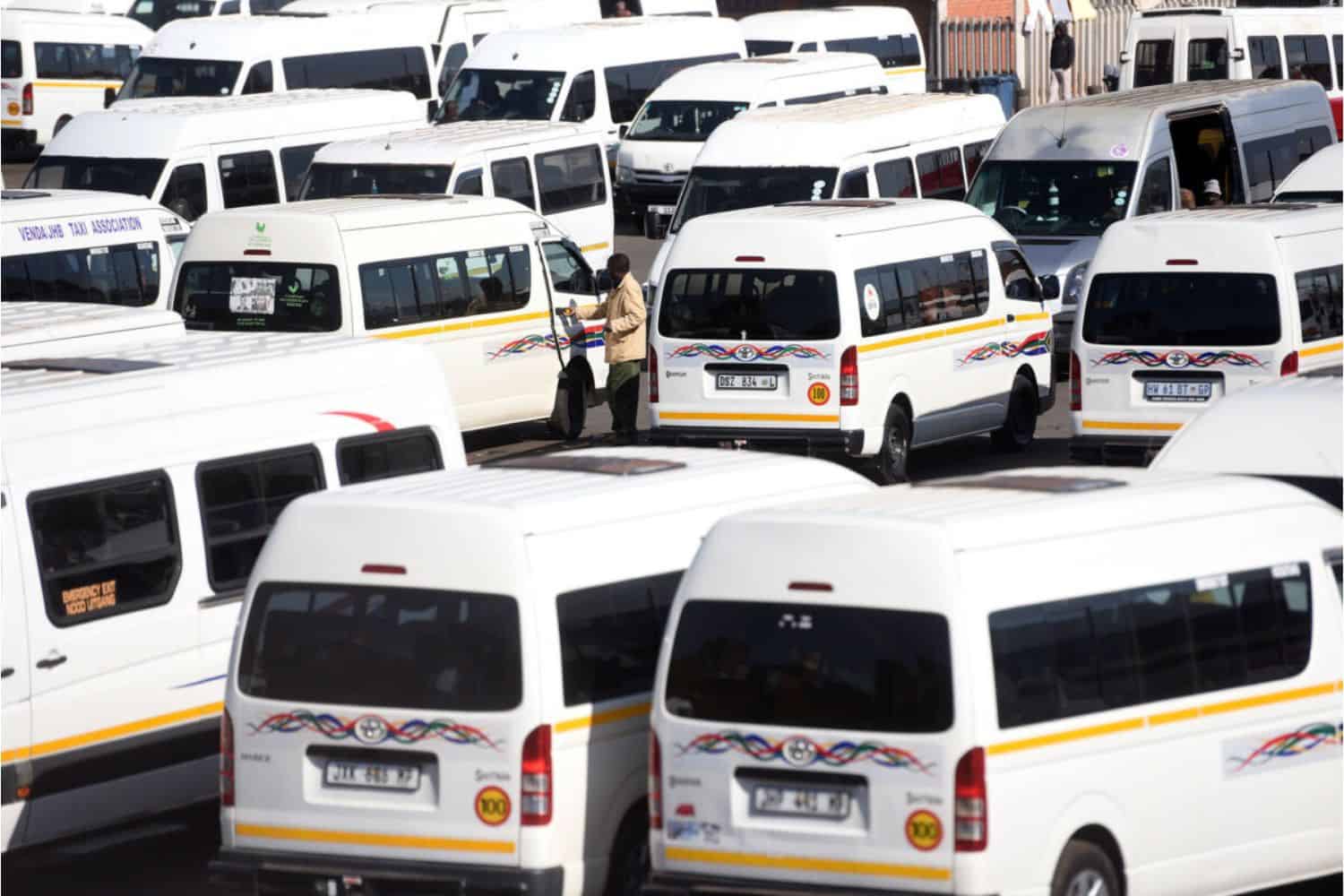
Many young South Africans who secure job interviews face a second hurdle: paying to get there. Rising transport costs and limited transport options are preventing some candidates from attending interviews and contributing to the country’s large cohort of unemployed youth.
How transport eats into job-hunting budgets
Statistics South Africa reports that the unemployment rate among people aged 15 to 34 stands at 45.8%, with about 4.7 million young people actively looking for work but remaining unemployed. Experts say the direct cost of searching for work is significant.
“Research shows that the cost of job hunting can reach R1,500 a month, meaning that many jobseekers face a stark choice between being able to afford their necessities and investing in their search for a new job,” said Nolundi Matomane, Talent Acquisition Manager at Pnet.
Long journeys, multiple connections and failing rail
Young people living in townships, informal settlements and low-income communities frequently travel long distances to reach major economic centres. According to Matomane, transport costs can account for more than half of job-hunting expenses and have risen sharply because of ongoing fuel increases.
Matomane described how the decline of the rail network and limited public-transport options force candidates to use multiple taxis, buses or other modes of transport. “Getting to the interview could involve two to four hours travelling each way,” she said, adding that this journey time can leave applicants exhausted and disillusioned.
Financial strain pushes some jobseekers out of the market
Matomane said many young people resort to borrowing money from family, friends or informal lenders to afford transport for interviews. The financial and emotional strain can lead some to stop searching altogether, increasing the number of discouraged workseekers.
“As such, transportation in South Africa is a structural barrier that traps individuals in poverty by blocking them from economic opportunities,” Matomane said.
Responses from government and the private sector
Some initiatives aim to reduce transport barriers. The Western Cape Government’s Getting YOU to Work programme helps young people travel to interviews without additional financial pressure.
In recognition of the problem, Pnet has launched a Youth Month campaign offering Uber ride vouchers to qualifying candidates who secure interviews through the platform. Pnet is also encouraging employers to rethink recruitment practices, suggesting initial interviews could be conducted telephonically or virtually and that businesses could provide transport assistance where possible.
Why it matters
While job creation remains central to addressing youth unemployment, Matomane and others argue that removing barriers to accessing existing opportunities such as transport costs and unreliable services is also essential to ensure that young South Africans can turn interview invitations into real employment outcomes.
Follow Joburg ETC on Facebook, Twitter, TikTok and Instagram
For more News in Johannesburg, visit joburgetc.com
Source: iol.co.za