News
Experts warn abandoned mines are raising risk of sinkholes, tremors and quakes
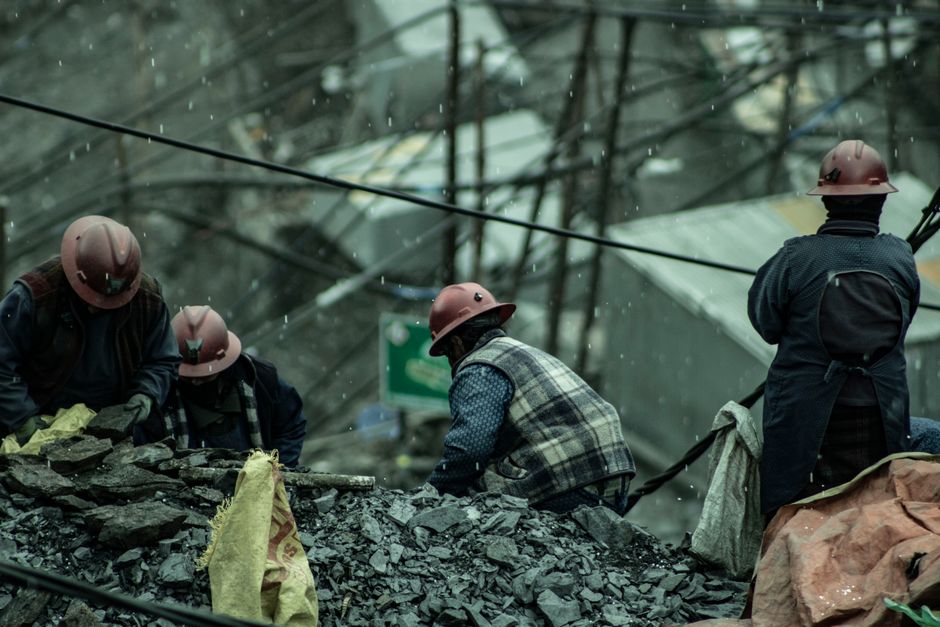
South Africa’s legacy of abandoned mines is creating a growing risk of land collapse and seismic activity, experts warn. They say acid water, the collapse of underground pillars and illegal mining particularly zama zama operations are combining to destabilise ground across multiple regions.
How water and acid are undermining underground support
Mining expert David van Wyk said the danger arises when abandoned shafts fill with water after heavy rain because those mines are no longer pumped dry.
“The abandoned mines, which are a crime, no longer pump out the water from the abandoned tunnels. The water interacts with iron pyrites, sulphur and copper and mixed with oxygen becomes acidic,”
Van Wyk said.
Van Wyk said that acidic water eats away at the conglomerate and the dolomitic substructure, eroding pillars that support underground chambers. He warned that as eastern, central and western voids refill with water, collapses could translate into tremors and quakes.
Regions and sites flagged as vulnerable
Experts named a broad area of concern stretching from Nigel to Orkney. Van Wyk listed worse-affected areas including the West Rand’s Merafong, Khutsong, Randfontein, Thulani and Doornkop in Soweto. In Ekurhuleni he named Springs, Benoni and Boksburg.
Geologist Xolane Mhlanga said deep-seated gold mines in the Witwatersrand basin and greenstone-belt gold mines in parts of Mpumalanga are also prone to seismic events. He listed locations including Barberton, Pilgrim’s Rest, Sabie, Songimvelo Nature Reserve (Tjakastad areas), Makhonjwa Mountains, Elandshoek, Ngodwane and Sudwala.
Illegal mining and explosives worsen the hazard
Researcher Confidence Muzerengi described a mining tremor as similar to a mini-earthquake and said illegal mining practices often involve explosives. Muzerengi said
“Reactivation of rock faults and damage of pillars can result in mining-related tremors and earthquakes.”
Experts linked the use of explosives by illegal operators to the potential reactivation of faults in mining regions.
Scale of the legacy and calls for action
Attorney Dimakatso Sefatsa said South Africa has an estimated 6 100 abandoned mines, including at least 400 coal mines, and characterised the number as evidence of inadequate rehabilitation. She said delayed government action exposes communities to ongoing harms.
The Council for Geoscience spokesperson Mahlatse Mononela said the country faces a disaster and that the council is
“working on mitigation, rehabilitation and reclamation plans with affected stakeholders.”
Mononela added that the council has conducted stability studies and is developing a long-term mine water management strategy to examine groundwater rewatering, seismicity and subsidence/sinkholes.
Experts’ recommended priorities
- Controlling blasting and infilling, and closing shafts at abandoned mines.
- Accelerating rehabilitation and implementing mine-water management strategies.
The Department of Mineral Resources and Energy had not responded to questions at the time of going to press.
Follow Joburg ETC on Facebook, Twitter, TikTok and Instagram
For more News in Johannesburg, visit joburgetc.com
Source: citizen.co.za