News
Lamola raises concerns with Nigeria over ‘Igbo King’, organised crime and hijacked properties
Minister Ronald Lamola told Nigerian officials South Africa is concerned about the alleged installation of an unrecognised ‘Igbo King’, organised crime and hijacked properties.
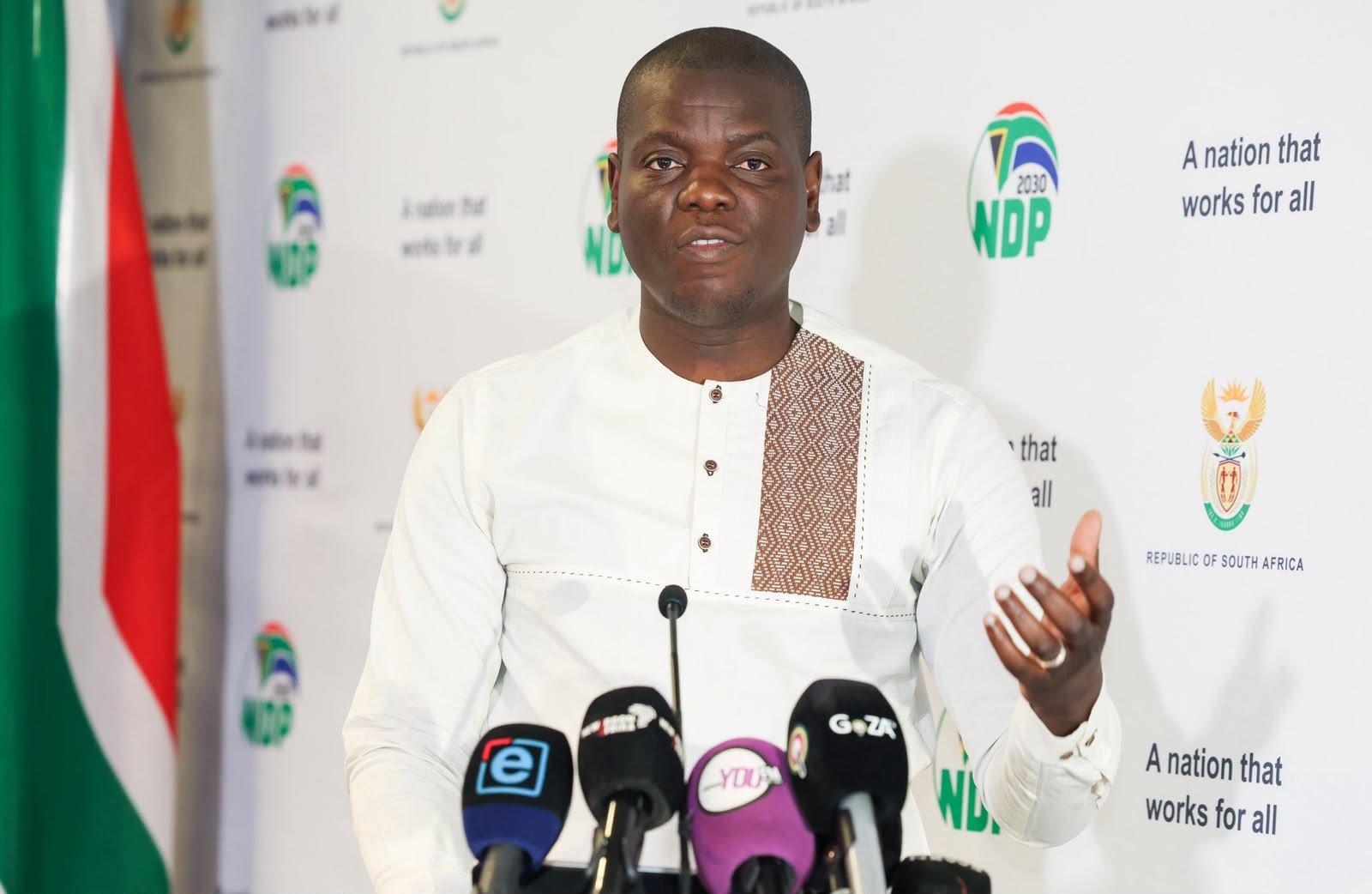
South Africa has asked Nigeria to help address concerns over the alleged installation of an unrecognised “Igbo King” and criminal conduct by some nationals, International Relations and Cooperation Minister Ronald Lamola said after high-level talks in Abuja.
What was raised in Abuja
Lamola, serving as Special Envoy, led the South African delegation in structured talks with a high-level Nigerian government team. Department of International Relations and Cooperation spokesman Chrispin Phiri said Lamola delivered an official message from President Cyril Ramaphosa to Nigerian President Bola Ahmed Tinubu.
According to Phiri, the discussions were “candid, constructive and forward-looking,” and focused on restoring mutual goodwill and strengthening bilateral relations.
Three areas of concern
Lamola outlined three specific issues that he said had heightened tensions between the two countries:
- The purported installation in March 2026 of an unrecognised traditional ruler titled an “Igbo King” in the Eastern Cape, which caused widespread public concern. Videos and photos showing people appointing Chief Solomon Ogbonna Eziko as the ‘Igwe Ndigbo’ of KuGompo circulated on social media, and KuGompo was later hit by violent unrest following protests against the alleged installation. Both South African and Nigerian authorities have confirmed that the king is not a recognised sovereign leader.
- The alleged involvement of certain foreign nationals, including Nigerian citizens, in organised crime, illicit drug trafficking and financial fraud. Lamola said that “as of July 7, 2026, more than 500 Nigerian nationals had been processed through the South African criminal justice system for various offences.”
- Instances where law enforcement officers faced violent resistance or obstruction during criminal investigations, and the occupation of hijacked residential and commercial properties in urban centres such as Hillbrow in Johannesburg and Sunnyside in Pretoria, where unlawful enclaves have compromised public safety for local residents and foreign nationals.
Emphasis on law, due process and de-escalation
Lamola stressed that addressing these challenges must be done “firmly, fairly, and within the bounds of the law.” He reiterated that South Africa condemns xenophobia, racism, discrimination and related intolerance, saying:
“While crime and lawlessness will be met with the full force of the law, public frustration or criminal activity can never be used to justify vigilante violence, intimidation, or attacks against foreign nationals.”
Phiri said Lamola clarified that the law enforcement measures were “evidence-based, targeting individual criminal conduct rather than profiling the broader, law-abiding Nigerian diaspora.” The Nigerian delegation, the spokesman added, acknowledged the need to hold lawbreakers to account while emphasising constitutional due process, fair trial standards and humane treatment for detainees.
Diplomacy and Pan-African solidarity
Both delegations agreed on the urgent need to curb inflammatory rhetoric and prevent hostile actions. Lamola reiterated that shared migration and public safety challenges are best resolved through formal diplomatic channels, institutional security partnerships and strict adherence to constitutional rights.
He said the two governments “reaffirmed that bilateral diplomacy and Pan-African solidarity remain the essential frameworks to ensure peaceful coexistence, safeguard human rights, and deepen historical ties between South Africa and Nigeria.”
Follow Joburg ETC on Facebook, Twitter, TikTok and Instagram
For more News in Johannesburg, visit joburgetc.com
Source: iol.co.za