Health
Report: Fairer vaccine sharing could save nearly 2.7 million lives in next pandemic
NUS–Lancet PRIME modelling finds population-based vaccine allocation could prevent 2.7m deaths in a hypothetical influenza A pandemic and confidence gains could save 1.9m more.
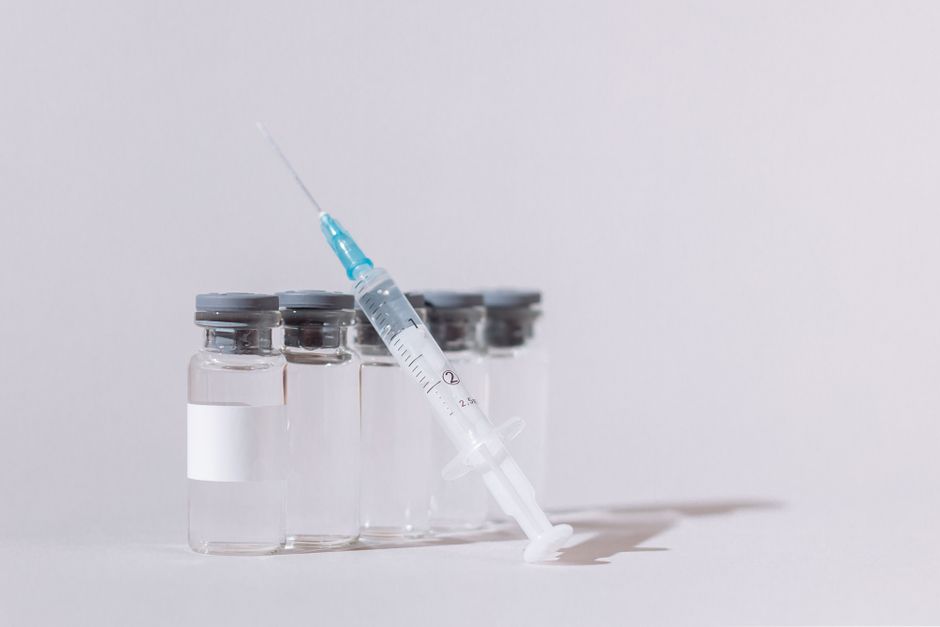
Nearly 2.7 million additional lives could be saved in a future pandemic if vaccines were distributed according to population size rather than countries’ ability to pay, according to modelling in the NUS–Lancet PRIME Commission’s report Transforming Pandemic Readiness for Equity.
What the modelling looked at
The commission modelled a hypothetical influenza A pandemic. In the scenario used, 58.5 million people would die without the rapid development of an effective vaccine. With a quickly developed vaccine, the projected death toll fell to 23.9 million.
How allocation method changes outcomes
The report found that allocating vaccine supplies by population rather than by countries’ purchasing power would further reduce deaths. Under the population-based allocation scenario, the modelling estimates an additional 2.7 million deaths could be prevented globally. The largest reductions were modelled to occur in middle-income countries.
The modelling also showed trade-offs: deaths in high-income countries rose in that scenario from a modelled 2.4 million to 3.9 million, even as global deaths declined.
Vaccine confidence matters
The commission examined the effect of vaccine confidence and modelled interventions to raise it. Those interventions could prevent a further 1.9 million deaths in the hypothetical pandemic, the report found.
Broader view of pandemic readiness
Beyond vaccines, the report argues preparedness must account for social and economic conditions that affect people’s ability to protect themselves in a health emergency. The commission reviewed evidence from 20 countries and considered issues including access to healthcare, social protection, public trust and community response capacity.
The findings echo calls from the United Nations, which in its own report emphasised the need to learn from Covid-19 and strengthen international cooperation before another major health emergency.
Commission’s conclusion
The commission concludes that rapid vaccine development can dramatically reduce deaths, but the benefits depend in part on how vaccines are distributed and on public confidence and access. Its modelling presents population-based allocation and efforts to increase vaccine confidence as measures that could save millions of lives in the hypothetical scenario.
Follow Joburg ETC on Facebook, Twitter, TikTok and Instagram
For more News in Johannesburg, visit joburgetc.com
Source: iol.co.za