News
Ramaphosa slams ‘white genocide’ claims as Afrikaner ‘refugee’ debate escalates
Cyril Ramaphosa called claims of a ‘white genocide’ false and ‘unbelievable’ as debate grows over a US refugee programme prioritising Afrikaner resettlement.
What the president said and where the debate sits
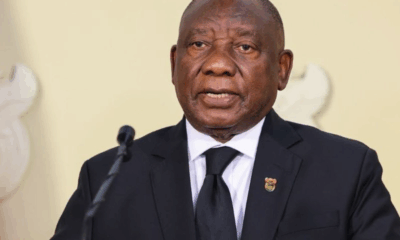
Speaking on the sidelines of the ANC’s election trail, Ramaphosa said he finds it
“unbelievable that people continue to believe all the falsehoods that they spread.”
He criticised fellow South Africans who have taken those narratives to international audiences and said the government must engage with people who are following or believing those claims.
Ramaphosa urged engagement “with the view of either convincing them or putting forward facts”, describing the situation as deeply unfortunate and calling for conversations to address misinformation.
How the US policy has intensified the conversation
The debate has been fuelled by a US refugee policy that, according to reporting in The Citizen, stems from a 2025 executive order by then‑President Donald Trump that prioritised Afrikaner resettlement on grounds of alleged race‑based discrimination.
According to The Citizen, the US is also considering a research and advertising effort in South Africa after applications to the refugee programme trended lower than expected. The Citizen reported that Washington may spend more than $335,000 (about R6 million) to investigate why significantly fewer Afrikaners than anticipated applied for refugee status under the programme.
According to The Citizen, the US proposal to prioritise Afrikaner refugee admissions has included plans to admit an additional 10 000 Afrikaner asylum seekers, raising the cap for this group to 17 500 in 2026.
Government position and the facts Ramaphosa highlighted
Ramaphosa and South African officials have publicly criticised the US decision to prioritise refugee applications from white Afrikaners, saying claims of a white genocide have been widely discredited and lack reliable evidence. The government has argued that land reform laws apply broadly across the population and that violent crime is a national challenge rather than a racially targeted campaign.
Key points made by the president
- Ramaphosa called the spread of false narratives about South Africa “unbelievable” and said they need to be countered with facts.
- He said it is troubling that some South Africans are giving international audiences what he characterised as a distorted view of the country.
- He urged interaction with those who may be following or believing the claims so they can be persuaded or presented with factual context.
Reaction from AfriForum
Responding on X, AfriForum CEO Kallie Kriel criticised Ramaphosa’s framing and argued the government should accept responsibility for what AfriForum describes as the consequences of the Expropriation Act. Kriel said AfriForum remains committed to seeking solutions it believes are in the interests of all South Africans.
“Perhaps it is time for Ramaphosa and other ANC leaders to take full responsibility for the negative consequences of their own irresponsible behaviour,” Kriel said.
Why this matters locally and internationally
The dispute over the US programme and the narratives around it touch on several broader issues that matter to South Africans and international partners:
- National reputation: Repeated claims abroad that a section of the population faces organised racial persecution can affect diplomatic relations and how foreign governments respond.
- Policy consequences: Foreign refugee policies that prioritise groups from a single country on the basis of perceived group‑specific targeting can complicate bilateral engagement.
- Information environment: The spread of unverified narratives can alter how communities and diasporas perceive domestic politics and social stability.
What remains clear from reporting
Reporting in The Citizen makes several consistent factual claims: the US policy in question was linked to a 2025 executive order, Afrikaners have formed the overwhelming majority of admissions since October 2025, and the US has contemplated significant spending to understand why applications were lower than projected.
As the debate continues, Ramaphosa’s remarks point to a government intent on countering narratives it views as false and damaging, while opponents say the administration must own policy outcomes that they believe have driven international responses. Both positions underscore that the conversation is as much about perception and political responsibility as it is about concrete policy steps.
Next steps to watch
Readers should expect further public statements from political leaders and organisations involved in the debate, and possibly more reporting on how the US plans to proceed with the refugee programme and any outreach it undertakes in South Africa. In the meantime, Ramaphosa’s call for engagement and fact‑based dialogue frames the government’s immediate response to the controversy.
Follow Joburg ETC on Facebook, Twitter, TikTok and Instagram
For more News in Johannesburg, visit joburgetc.com
Source: citizen.co.za