News
Secrecy battle at Madlanga Commission as media oppose closed-door NICOC testimony
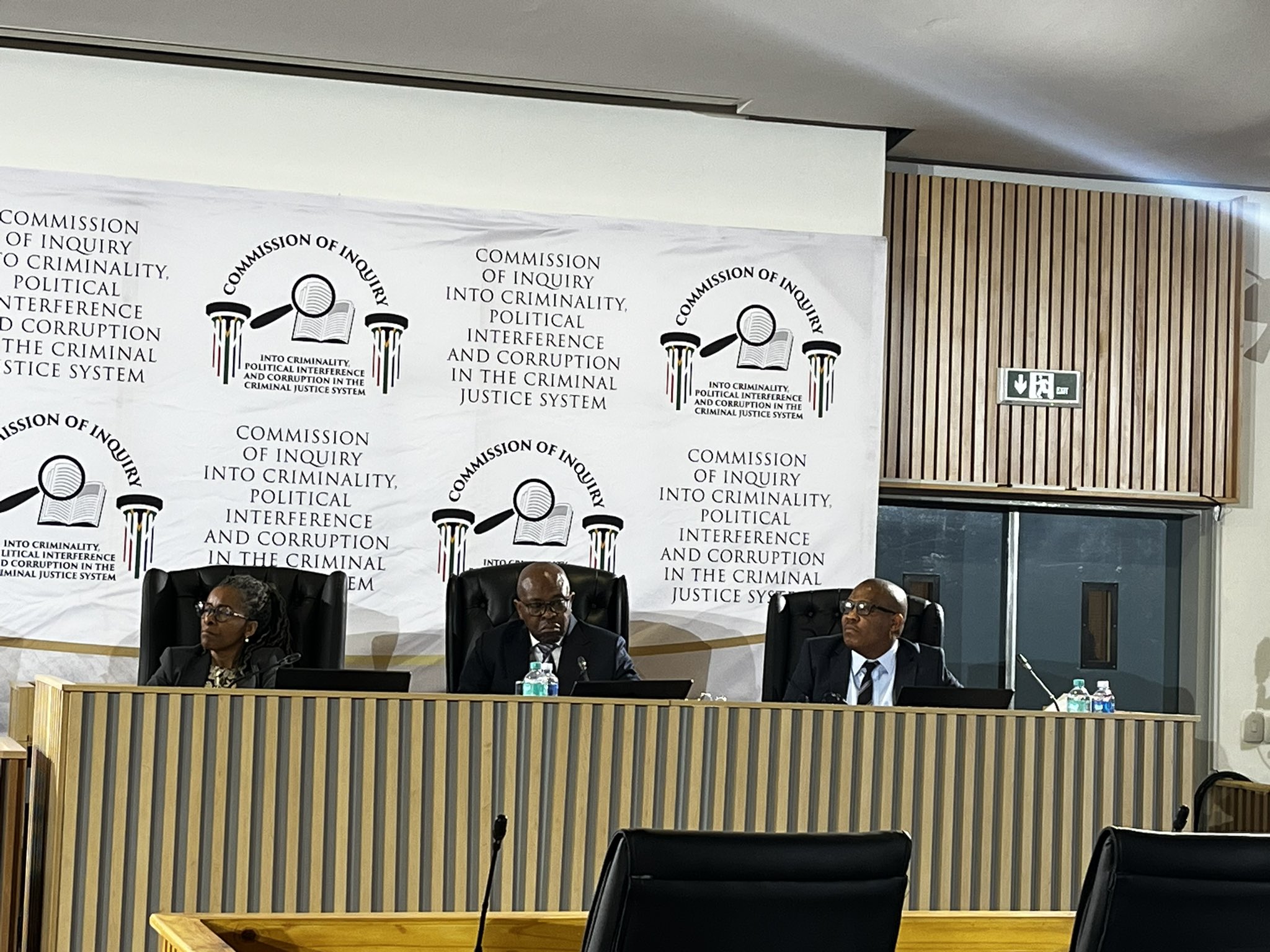
Media oppose a bid to hear NICOC head Dr Ntandazo Sifolo in camera at the Madlanga Commission in Pretoria, arguing public accountability must not be curtailed.
What is being argued before the commission
Evidence leaders have applied for the testimony of Dr Ntandazo Sifolo, head of NICOC, to be held in camera that is, in closed session. They say classified material is expected to be presented and that such material would be declassified for the commission’s viewing but withheld from the public record.
According to the commission’s schedule, Sifolo is expected to testify about the committee’s internal operations, accountability and details of current and future threat assessments. The precise contents of the materials proposed for closed inspection were not disclosed in the hearing of arguments.
Media opposition and the public interest
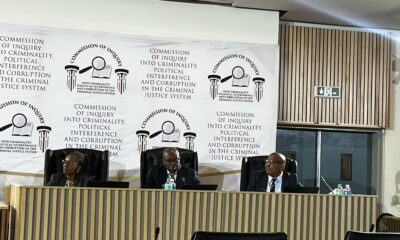
Media houses opposing the application say the work and responsibilities of joint intelligence structures are matters of significant public interest and that withholding access to testimony would undermine the commission’s mandate to promote public accountability. Their submissions were heard in an open session at the Bridgette Mabandla Justice College in Pretoria.
The public-versus-secrecy debate before the commission is, in essence, a contest between two established principles: the need to protect genuinely sensitive intelligence information, and the need for transparency where oversight and accountability are concerned.
Points the commission must weigh
- Whether the information presented is legitimately classified and if in-camera access is necessary to protect it.
- Whether declassifying for the commission only while withholding the material from the public appropriately balances security and accountability.
- How restricting public access might affect the commission’s ability to fulfil its mandate of promoting accountability.
Why this decision matters
This is not a purely procedural dispute. Commissions of inquiry are public mechanisms for uncovering facts, testing evidence and making findings that the public can assess. When large parts of testimony are heard behind closed doors, it narrows what citizens, civil society and the press can scrutinise and debate.
At the same time, intelligence agencies often handle material that, if disclosed, could harm national security, reveal sources or jeopardise ongoing operations. The commission must therefore determine whether the content sought to be kept secret meets the threshold for non-disclosure.
How the hearing proceeded
The arguments over the in-camera application were presented in open session as the commission resumed after a break. The commission will decide whether Dr Sifolo’s testimony will be given in camera or in public, taking into account the competing submissions before it.
Parallel matter: Serge Cabonge and a contested recording
Separately, the commission plans to engage socialite Serge Cabonge to obtain a statement about allegations contained in a voice recording. That recording was played during former deputy national police commissioner Shadrack Sibiya’s bail hearing at the Randburg Magistrate’s Court last week.
The recording, which has been attributed to Cabonge, includes an allegation that he once assisted the family of a man described as “who sits in front at the Madlanga Commission” and asserts he intervened with police over charges that the man’s daughter faced after a collision involving a woman carrying a child. The commission has dismissed the circulation of those allegations but says it will nonetheless obtain a formal statement from Cabonge.
“sits in front at the Madlanga Commission”
What comes next
The commission must rule on the media’s objections and the evidence leaders’ application before proceeding with any sensitive testimony. If the commission allows in-camera evidence, it will need to set clear terms about what is covered and whether any material may later be released in redacted form or summarized for the public record.
If the commission rejects the in-camera application, the relevant intelligence evidence would be tested in public, subject to any protective measures the panel imposes.
Broader implications
Beyond the immediate dispute, the outcome will shape how the commission balances transparency against the protection of sensitive material. The decision will influence public perceptions of the commission’s openness and its capacity to hold institutions to account while safeguarding legitimate security concerns.
Arguments over the in-camera application were heard at the Bridgette Mabandla Justice College in Pretoria.
The commission’s handling of both the NICOC testimony application and the planned engagement with Serge Cabonge will be watched closely by media organisations and others concerned with accountability and the proper oversight of intelligence functions.
Follow Joburg ETC on Facebook, Twitter, TikTok and Instagram
For more News in Johannesburg, visit joburgetc.com
Source: iol.co.za