Business
SA inflation edges up to 4.5% in September as transport costs surge
South Africa’s annual inflation rose to 4.5% in September as transport costs jumped 10.8%. Food inflation slowed and rental growth eased, offering some respite.
What the numbers show
The Consumer Price Index (CPI) figures, released by Statistics South Africa on Wednesday, show that transport contributed 1.5 percentage points to the month’s headline inflation rate. Transport costs rose 10.8% year on year.
Between January and September, petrol became notably more expensive, with the price up by R6.13 per litre, while 500ppm diesel rose by R10.66. The increase followed higher oil prices after the Middle East war sent global crude prices up.
Offsetting categories where there was better news
Not all components of the CPI moved higher. Food and non-alcoholic beverages inflation rose by just 1.2% year on year and in fact fell by 0.1% month on month. That moderation offered some relief to the overall reading.
Other category movements reported by Stats SA included:
- Health: up 3.2% year on year
- Insurance and financial services: up 5.4%
- Housing and utilities: up 5.2%, contributing 1.3 percentage points to overall CPI inflation
- Rental inflation: slowed from 4.1% to 3.9% year on year
How economists see the move
Johann Els, senior economist at PSG, highlighted that the rise was concentrated in transport and that wider second-round price pressures were limited.
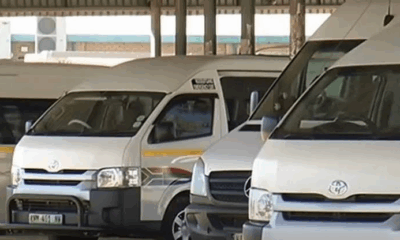
“Apart from the direct impact of higher petrol prices, there have been some increases in transport costs, including taxis and public transport, but little evidence of broader price pressures elsewhere. This will be welcomed by the Reserve Bank,” Els said.
Els also set out his near-term outlook for inflation, noting expectations for a further rise in the coming months and a return to lower rates thereafter.
He expects inflation to rise to slightly above 5% in October and November, while base effects should start bringing inflation down again from around April next year.
“By the second half of 2027, we could be back around 3%, or even lower. Much will depend on the extent of the decline in oil prices that I expect next year, and the resulting reduction in petrol prices,” Els added.
Why the transport spike matters
Transport price increases can have a broad impact because higher fuel costs typically feed into the cost of goods and services that rely on road transport. Where transport inflation is concentrated and pronounced, it can raise living costs quickly for households that spend a significant share of their budget on travel and fuel.
At the same time, the CPI breakdown shows that other consumption items did not accelerate in the same way, which is important for how policymakers and markets interpret the overall inflation trend.
Policy and household implications
Central banks look not just at the headline number but at whether higher prices are spreading across the economy. The limited evidence of broader price pressures noted by PSG’s Johann Els suggests that the spike may be seen as relatively contained at this stage.
For households, the immediate impact is felt in transport budgets and on goods with high transport intensity. Moderation in food inflation and slower rental growth provide some offset to those pressures, easing part of the strain on monthly household budgets.
What to watch next
Key things to follow in coming months are the path of global oil prices, any further fuel-price adjustments and the month-on-month CPI movements across a wider range of categories. Those developments will shape whether the inflation uptick remains focused on transport or broadens into other areas of the economy.
For now, the September CPI print shows a modest rise in headline inflation to 4.5%, with the surge in transport costs the dominant force behind the change while several other categories offered mitigating signs.
Follow Joburg ETC on Facebook, Twitter, TikTok and Instagram
For more News in Johannesburg, visit joburgetc.com
Source: iol.co.za