News
Europe on Alert After Bomb Hoaxes Target 20 Flights Over Three Days
Bomb threats targeting 20 flights forced diversions and military escorts across Europe. Authorities investigate messages linked to far-right group Male State.
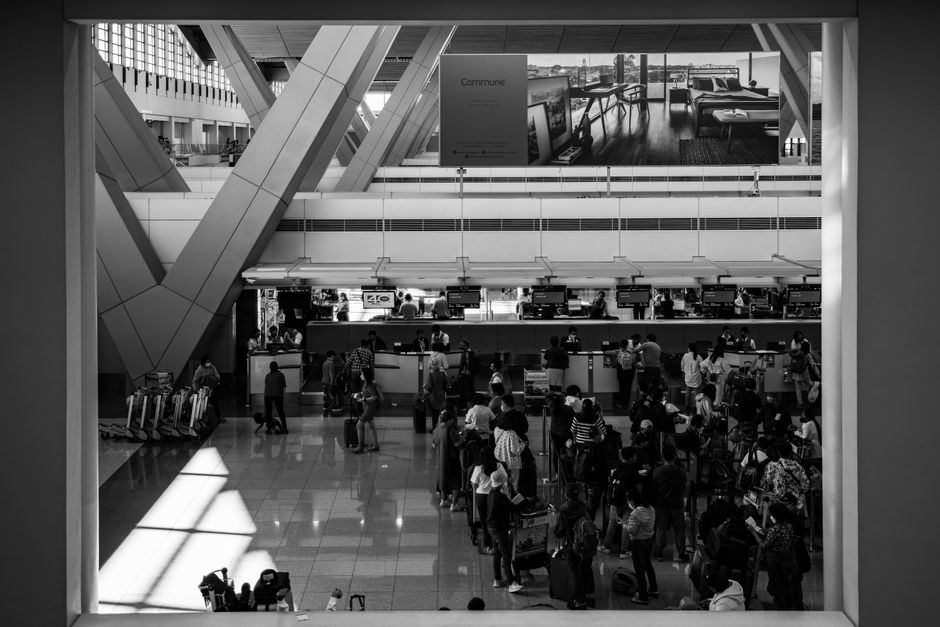
Airspace on Edge: Series of Bomb Threats Disrupt Flights
Air travellers across Europe experienced heightened anxiety as bomb hoaxes targeted approximately 20 commercial flights over a three-day period. These threats resulted in fighter jet escorts, flight diversions, and intensive airport security sweeps, though no explosives were discovered and all planes landed safely.
Escorted Flights, Sudden Diversions
At least five passenger aircraft received military escorts after the bomb threats. Bulgaria’s air force intercepted three Ryanair flights bound for Sofia from Madrid, Copenhagen, and London. Each aircraft underwent thorough inspections on arrival, with authorities confirming no threats were found.
French authorities responded similarly, deploying fighter jets to accompany an Aer Lingus flight from Dublin to Rome. The plane was redirected and landed at Evreux military base, about 100 kilometres from Paris. French officials cited the pilot’s initial reluctance to land at a military base, while Aer Lingus later stated that the airline and its pilots fully cooperated with the authorities.
The security responses did not stop there. A Ryanair flight from London to Sofia was rerouted to Plovdiv Airport, and a Wizz Air service from Milan to Warsaw returned to Vienna. In each of these cases, normal protocol required rapid coordination between airline crews, airports, and national security agencies.
The Hoax Messages: Warnings and Alleged Authors
Authorities have begun scrutinising the content and origin of the email bomb threats. One message, sent to Sofia Airport, declared that explosive devices were aboard three Ryanair flights. The email, seen by journalists, included misogynistic rhetoric and was signed by self-proclaimed “fighters of the Male State.” It threatened, “Today your skies will turn red,” and promised to leave “a mark in history.” Similar language appeared in messages sent to Rome’s airport operator, as confirmed by a company source.
Another hoax, received by Birmingham Airport in England, similarly referenced “Men’s State” and targeted flights operating there.
The Male State is described as a far-right group with roots in Russia, known for using extremist symbolism and misogynistic rhetoric. While the organisation has been designated “extremist” by Russian courts since 2021, investigative sources say it once publicly supported Russia’s subsequent invasion of Ukraine. Security experts note the group’s murky ties to official power structures, and European authorities have yet to confirm any direct involvement in the hoax campaign.
Across the continent, authorities note a rise in so-called hybrid attacks, sometimes linked to foreign actors or far-right groups, although it remains too soon for investigators to definitively connect these incidents to Male State or any foreign government.
Widespread but Limited Disruption
Despite the alarming interventions, the targeted flights accounted for only a small fraction of Europe’s air traffic. On the busiest day, over 25,000 flights were scheduled continent-wide.
Most of the targeted flights landed as planned, with airports in Brussels, Bucharest, and Copenhagen confirming safe arrivals after thorough security screenings. According to Danish police, there was “no danger, and there has never been any danger, to passengers or anyone else at the airport.” Several high-profile airportsincluding Heathrowalso received specifically worded threats, but deemed them not credible after investigation.
- In Prague, four threatened flights landed without incident.
- All jets diverted due to the threats landed safely, with no explosives detected.
Travellers Share Concerns Over Safety
Passengers at affected airports reported mixed emotions. Some described heightened anxiety and uncertainty about security in Europe, while others said the news added only minor worry to their travel experience. Safety procedures and timely communication were widely praised for helping to contain panic and confusion among the travelling public.
The bomb hoaxes sparked concern among carriers and authorities but, crucially, flights continued with minimal physical disruption aside from the diversions and heightened alertness.
Earlier Incidents and Continued Vigilance
This wave of threats followed earlier hoaxes earlier in the week, including an alert that closed a Warsaw airport and prompted Italian air force jets to protect several flights. Each of those cases also ended safely, with no explosives discovered.
The European Union’s transport commissioner reminded the public that it remains “too early to draw conclusions on whether the reported incidents are linked,”
reflecting the ongoing investigative work by national and European agencies.
The Implications for European Air Security
Bomb threats, even if unfounded, trigger multi-layered security responsesreflecting the seriousness with which all incidents are treated by both airlines and national security agencies. Frequent or coordinated threats can strain resources and raise difficult questions about the evolving risks to air travel in an interconnected world.
For now, passengers and airlines alike remain alert as investigators work to trace the origins of these hoaxes and prevent further disruption to European skies.
Follow Joburg ETC on Facebook, Twitter, TikTok and Instagram
For more News in Johannesburg, visit joburgetc.com
Source: iol.co.za