Best of Johannesburg
Your Joburg primer: neighbourhoods, markets, transport and where to eat
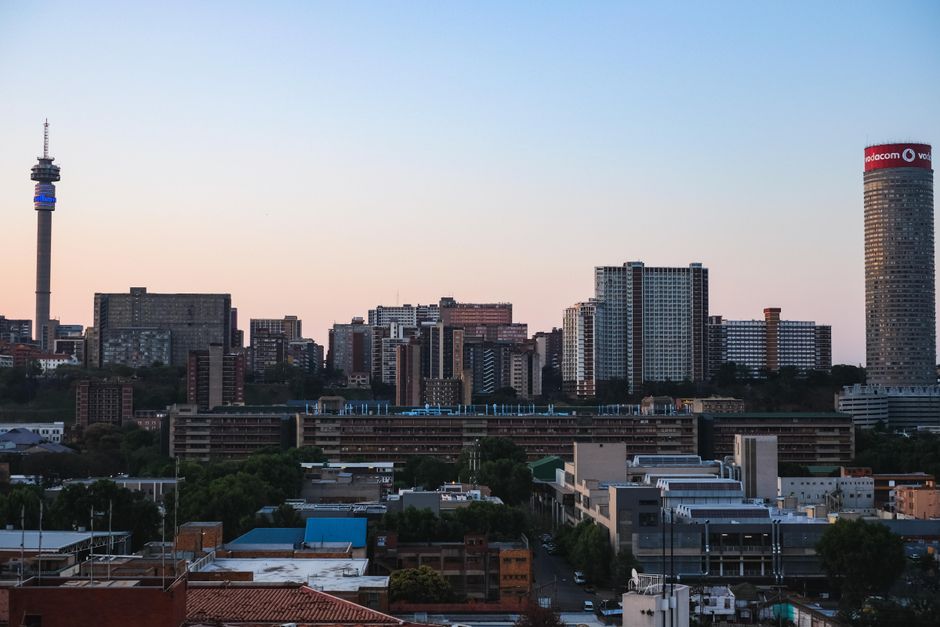
Johannesburg is a city of neighborhoods: leafy Rosebank, the creative pockets around 44 Stanley, and the history-soaked streets of Soweto. This primer collects practical tips on where to go, how to get around and where to eat and stay, drawing on on-the-ground reporting.
Why visit now
According to The New York Times, “for too long, Johannesburg was a victim of its own reputation for violent crime, with citizens retreating behind high walls and socializing in shopping malls. A culture shift partly spurred by the city’s strict pandemic lockdowns has many Joburgers rediscovering the outdoors and the city’s Goldilocks weather (not too hot, not too cold) to dine and dance under the open sky.”
The city itself is relatively young. According to The New York Times, “Johannesburg is a relatively young city only 137 years old.”
Top neighbourhoods and what to do there
Rosebank
Rosebank has evolved into an arts and business district with galleries and restaurants. The Keyes Art Mile is a concentration of contemporary galleries and design showrooms; nearby restaurants and rooftop bars offer skyline sunset views. The New York Times highlights venues such as Marble and the Shortmarket Club in this precinct.
44 Stanley and surrounding precincts
44 Stanley is a canopied courtyard of boutiques, galleries and cafes where you can buy locally made goods and watch artisans at work. The New York Times notes that most stores here close at around 4 p.m.
Soweto
Soweto is a major draw for history and food: Vilakazi Street is home to Mandela House, now a museum, and the Hector Pieterson Memorial and Museum. According to The New York Times, Mandela House museum tickets run “20 to 60 rand” and the Hector Pieterson Memorial and Museum charge “50 rand for international visitors.”
Food and nightlife on Vilakazi Street range from buffet-style townships meals to clubs that turn car culture into a party. Sakhumzi Restaurant on Vilakazi Street runs a daily buffet; The New York Times reports the buffet price as “250 rand.” Konka a restaurant and club in Soweto draws large crowds and, according to The New York Times, has “entrance fees [that] vary from 200 to 500 rand, and the party goes all day and into the night.”
Markets and eating local
Street food and market stalls are part of the city’s culinary life. Kwa Mai Mai market is known for chisa nyama South African barbecue where “plates” including pap and relish cost around “75 rand a plate, cash only,” according to The New York Times.
Elsewhere you’ll find coffee roasters, chocolatiers and vendors serving accessible, local fare in market-style courtyards and food precincts highlighted in reporting on the city.
Where to stay
Accommodation options mentioned in reporting range from luxury hotels in Rosebank to simple backpacker lodgings in Soweto. The New York Times names a few examples and rates: 54 on Bath in Rosebank, where double rooms “start at around 3,655 rand, or about $197, a night,” and Voco Johannesburg Rosebank, where a standard double with breakfast “starts at around 2,700 rand.” For budget travelers, Lebo’s Soweto Backpackers is cited with dorm rates “220 rand per night” and private doubles “545 rand.”
Getting around
According to The New York Times, “ride-hailing apps like Uber and Bolt are good options.” The reporting also suggests asking your hotel to recommend a driver for the day; The New York Times gives an example cost of “around 1,500 rand.”
Public transport in Johannesburg is described as unreliable in parts of the city; ride-hailing and hotel-arranged drivers are presented as practical choices for visitors.
Safety and practical tips
Common-sense precautions are advised. Avoid walking alone late at night outside designated pedestrian zones and consider hotel shuttles or rideshares for evening travel. Keep an eye on belongings in busy markets and downtown areas.
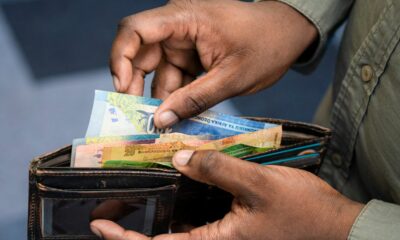
For planning and logistics, carry local currency (ZAR) and be mindful of payment methods at market stalls that may be cash only.
Arts, theatre and walking tours
Johannesburg’s theatre scene includes venues with a history of politically engaged performance. The Market Theater is singled out for “a long history of staging protest plays,” and the Joburg Theater is another central venue for dance, theater and music.
Walking tours offer layered perspectives on the city. According to The New York Times, Joburg Places runs “half-day walking tours (550 rand), led by the gifted orator Charlie Moyo.” Guides can also accompany visits to busy markets or township sites for extra confidence and context.
Sample tips for planning
- Book popular restaurants and theatre shows in advance when possible.
- Head to markets and artisan courts like 44 Stanley during daytime hours; many shops close around 4 p.m.
- Use ride-hailing apps for door-to-door trips and ask hotels for trusted driver recommendations for longer day hires.
“Ask your hotel to recommend a driver for the day, which should cost around 1,500 rand,” the reporting advises.
Keep these practical details in mind and you’ll be set to explore neighbourhoods, markets and the city’s creative and historic anchors with more confidence.
Follow Joburg ETC on Facebook, Twitter, TikTok and Instagram
For more News in Johannesburg, visit joburgetc.com
Source: nytimes.com