Business
From the Gulf to Gauteng: How Middle East tensions are hitting South African wallets
From the Gulf to Gauteng: How Middle East tensions are hitting South African wallets
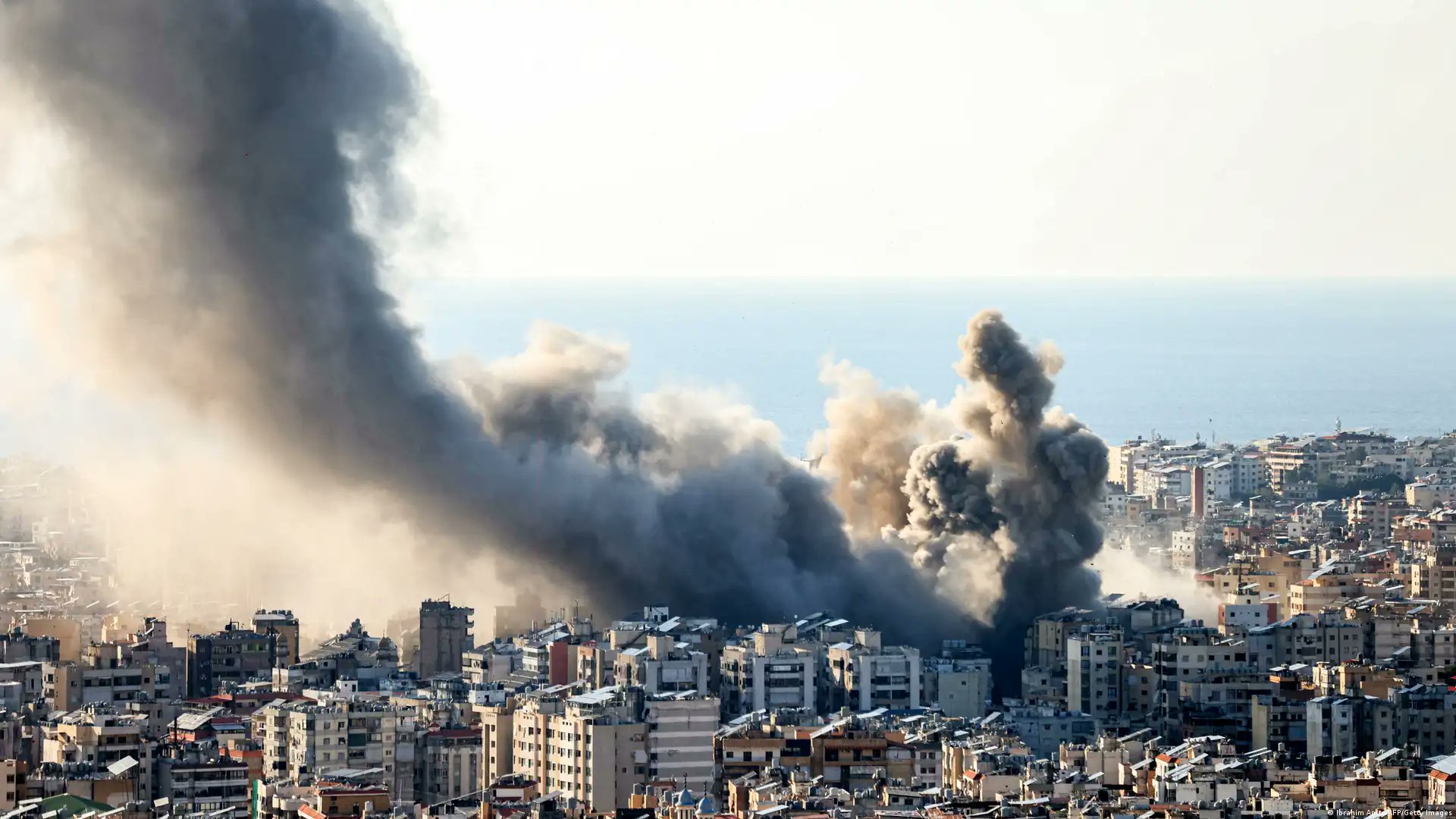
It can feel far away, missiles over the Gulf, warships in narrow waterways, global leaders trading threats. But if you’re filling up in Durban or waiting on an online order in Johannesburg, the conflict unfolding in the Middle East is already closer than you think.
As tensions escalate between Iran, the United States and Israel, the ripple effects are stretching thousands of kilometres, right into South African homes and businesses.
And yes, you’ll likely feel it at the petrol pump first.
Why a narrow strip of water matters in Mzansi
At the heart of the disruption is the Strait of Hormuz a slender but vital sea passage between Iran and Oman. Roughly 20% of the world’s crude oil and liquefied natural gas passes through it every day.
When military strikes flare up in that region, shipping traffic slows. When shipping slows, oil prices spike. And when oil prices spike, South Africa, which imports most of its crude pays more.
Recently, maritime traffic through the strait has been heavily disrupted. While it is not fully closed, the uncertainty alone has been enough to rattle global markets.
During a recent webinar, Coface’s head of political risk analysis, Ruben Nizard, noted that Brent crude had jumped to around $80 per barrel. That surge, he said, reflects both disrupted traffic and growing concern over global oil supply.
For South Africans, that number matters more than it might seem.
Brace for higher fuel prices
Brent crude is now trading above $80 per barrel and every dollar added to that price filters into the local fuel price formula.
Fuel regulators have already indicated that rising international costs and geopolitical uncertainty are adding tens of cents per litre to petrol, diesel and paraffin. In a country where transport costs influence almost every other price on the shelf, that’s no small shift.
If you commute daily or run a small business dependent on deliveries, you’re likely watching this space nervously. Social media has already lit up with the usual mix of frustration and weary humour memes about “living at the petrol station” are doing the rounds again.
But fuel isn’t the only concern.
The long way around Africa
It’s not just oil tankers that are affected. Container ships are also steering clear of volatile waters.
Major shipping companies including Maersk, Hapag-Lloyd and CMA CGM, have suspended sailings through key Middle Eastern routes such as the Suez Canal and the Bab el-Mandeb Strait.
Instead, many vessels are rerouting around the Cape of Good Hope.
On the surface, that might sound like good news for South Africa, more traffic passing our shores. But the reality is more complicated.
That detour adds between 10 and 20 days to journeys and increases freight rates by 40–50% on some routes. Ships burn more fuel. Crews stay at sea longer. Insurance premiums, especially war-risk cover have surged by as much as 60% in some cases, adding hundreds of thousands of dollars to a single voyage.
Those costs don’t disappear. They move down the chain eventually landing in shopping baskets.
What this means for your shopping basket
South Africa imports a wide range of goods, from electronics and clothing to industrial components and agricultural inputs like fertiliser.
Longer shipping routes mean:
-
Slower delivery times for imported goods
-
Higher freight surcharges passed on to buyers
-
Greater volatility in supply contracts
-
Increased pressure on retail prices
Shipping rates from Shanghai to parts of the Middle East have already more than doubled in recent weeks. Even if your product isn’t coming directly through the Gulf, global supply chains are interconnected. When one corridor clogs up, congestion spreads elsewhere.
That new phone, that spare part for a factory machine, even certain food inputs they all sit somewhere in this web of global trade.
Inflation headaches ahead?
Energy and freight costs are two of the biggest drivers of inflation worldwide. If both remain elevated, South Africa’s policymakers may face tougher decisions in an already fragile economy.
Higher fuel prices can push up transport costs. Transport costs can lift food prices. Businesses facing steeper import bills may either absorb the hit squeezing margins or pass it along to consumers.
It’s a delicate balancing act.
Economists warn that sustained oil prices above $80 could complicate hopes for economic relief, especially if the conflict drags on.
So why should you care?
Because this isn’t just about geopolitics.
It’s about the price you’ll pay to fill your tank.
It’s about how long your imported goods might take to arrive.
It’s about whether your grocery bill quietly ticks upward in the coming weeks.
The Middle East may be thousands of kilometres away, but in a globalised economy, distance doesn’t mean protection.
From the Strait of Hormuz to supermarket shelves in South Africa, the line is shorter than it looks.
{Source: IOL}
Follow Joburg ETC on Facebook, Twitter , TikTok and Instagram
For more News in Johannesburg, visit joburgetc.com