Business
Why your R10 buys less: compounding inflation and runaway food prices
How R10 in 2021 compares to March 2026
Because inflation compounds year on year, price increases build on previous higher bases. Inflation averaged about 4.6% in 2021, rose to 6.9% in 2022 and stayed elevated at 6% in 2023, before easing through 2024, 2025 and into early 2026. Using cumulative inflation over that period, goods that cost R10 in 2021 would cost roughly R13.30 by March 2026. In real terms, the original R10 now has the purchasing power of about R7.50 in today’s prices.
Why supermarket receipts feel worse than the averages
Households rarely experience price changes through a statistical basket. Instead, people notice the same handful of products bought week after week rising sharply. Some categories have seen much larger increases than the overall averagefood inflation in certain categories has increased by up to 100% since 2021.
Examples of rapid price moves
- A popular cereal brand rose from about R50 at the end of 2025 to almost R75 in a few months.
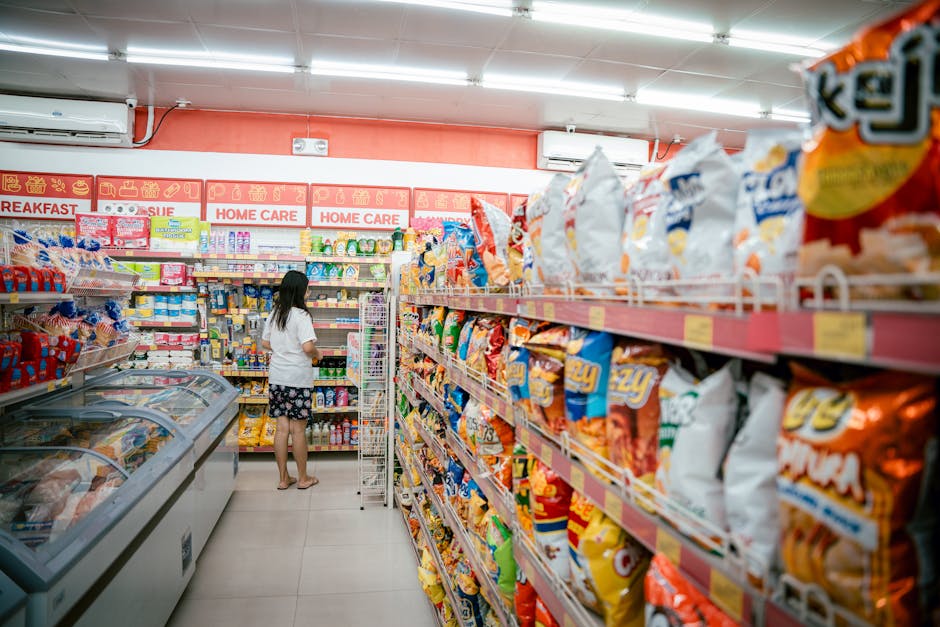
- A 120g pack of a popular potato chips brand increased from R21 to R26.99 in around two months.
Why some prices don’t fall back
Economist Dawie Roodt explained that inflation measures a general increase in the price level across a broad range of goods and services, which allows individual products to climb sharply even when overall inflation appears contained. He also warned that prices tend to be sticky on the way down and easier to raise than to reduce.
“Inflation is defined as the general increase in the price level,” Roodt said, adding that consumers are also right in feeling that prices rarely retreat with the same enthusiasm they rise.
The behaviour of prices varies by type: while fuel and fresh produce can move up and down, many branded and processed goods do not fall when their raw inputs become cheaper. For example, tomato prices may collapse seasonally, but tomato sauce prices do not necessarily drop alongside them.
What this means for Johannesburg households
For shoppers in Johannesburg, the combined effect of several years of inflation and steep rises in specific grocery items explains why small amounts of cash no longer stretch as far as they did. Even as headline inflation eases, the impact is felt most sharply where consumers repeatedly buy the same branded products that have seen outsized increases.
Notes: This article is based solely on the reporting in the original Citizens article.
Follow Joburg ETC on Facebook, Twitter, TikTok and Instagram
For more News in Johannesburg, visit joburgetc.com
Source: citizen.co.za