News
More than 18,000 arrested for drunk driving in five months, transport minister says
Transport minister Barbara Creecy says over 18,000 people were arrested for drunk driving between March and end of August 2026 as road safety measures are tightened.

Numbers and legislative steps
Creecy said the arrests which occurred between March and the end of August this year accounted for a third of all traffic arrests during the period. She said the department is pursuing tighter legal restrictions on driving under the influence through amendments to Section 65 of the National Road Traffic Act.
On the legislative timeline, Creecy said:
“We are in the process of acquiring approval from the Chief State Law Advisor and SEIAS approval to secure cabinet concurrence for this amendment by the end of 2026.”
AARTO rollout and new enforcement measures
The second phase of the Administrative Adjudication of Road Traffic Offences (AARTO) was launched on 1 July 2026 and is operational in 62 municipalities, Creecy said. She said phase three will be implemented nationally and will include 151 outstanding municipalities in 2027, to be followed by phase four and the implementation of a demerit system.
To encourage compliance, AARTO has introduced a discount on infringement notices paid early, which Creecy described as easing the burden on courts. She added that the system will provide greater deterrence to habitual reckless drivers through the possibility of a suspended licence.
Stronger requirements for scholar transport
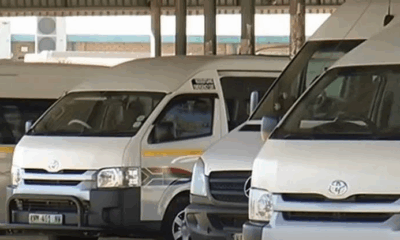
Creecy explained that additional requirements have been introduced for scholar transport operators. These include requirements that operators must be registered, hold Professional Driving Permits, provide proof of annual roadworthiness checks for their vehicles, and enrol in an advanced driving course.
She said these measures were informed by the need for enhanced passenger safety.
Progress, but work remains
Creecy noted a reduction in crashes and fatalities over recent years and highlighted seasonal improvements: during the 2026 Easter long weekend, the Road Traffic Management Corporation recorded the second-lowest crashes and fatalities over the past four-year Easter periods, she said.
But she cautioned that the overall toll is still serious.
“We cannot normalise our current situation of recording close to 12 000 deaths on South Africa’s roads annually,”
she said, adding that every life lost represents the loss of a loved one, a parent and a breadwinner.
Coordination and monitoring
Creecy described ongoing coordination between national and provincial authorities. She said she has been hosting weekly meetings with the nine transport MECs and their officials to receive regular updates on traffic monitoring and policing trends. According to Creecy, this approach aims to ensure road safety campaigns run year-round rather than only during peak travel periods.
What Creecy said about government collaboration
On the broader need for shared responsibility she said:
“We therefore need to ramp up and intensify our existing efforts to continue seeing a reduction in these figures.”
Follow Joburg ETC on Facebook, Twitter, TikTok and Instagram
For more News in Johannesburg, visit joburgetc.com
Source: citizen.co.za