Business
Woolworths cleared in animal welfare ruling on pig gassing claims
It is the kind of story that instantly sparks debate in South Africa, especially among shoppers who care about where their food comes from. This week, Woolworths found itself at the centre of that conversation after a complaint challenged whether its animal welfare promises truly align with how pork is produced in its supply chain.
Now, the matter has been settled, at least from a regulatory point of view. The Advertising Regulatory Board has dismissed the complaint, finding that Woolworths’ messaging around animal welfare is not misleading to consumers.
A complaint that struck a nerve
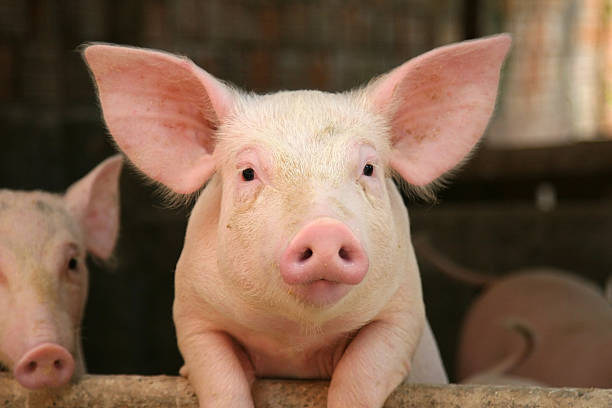
The complaint focused on a difficult and often emotional topic: how animals are treated before slaughter. Specifically, it questioned Woolworths’ association with suppliers that use CO2 gas stunning for pigs.
The concern raised was that this method can cause distress, which, according to the complainant, clashes with the retailer’s public commitment to the well-known Five Freedoms of animal welfare. These freedoms are often referenced in ethical farming discussions and outline the ideal conditions for animals, including freedom from pain and distress.
It is not a new debate. Around the world, methods of slaughter, especially those involving gas stunning, have long divided opinion between animal welfare advocates, scientists, and the meat industry.
Woolworths’ response: a “continuous improvement” approach
Woolworths stood firm on its position, explaining that its animal welfare commitments are not framed as perfect outcomes, but rather as ongoing efforts.
The retailer emphasised that it works closely with suppliers to improve conditions, reduce harm, and ensure standards are followed across the supply chain. This includes having trained animal welfare officers on site and monitoring compliance at abattoirs.
On the issue of CO2 gas stunning, Woolworths argued that the method is widely used internationally and is designed to render animals unconscious in groups without the need for restraint. According to its explanation, this can lower stress and reduce the risk of injury compared to other methods used in commercial slaughter.
At the heart of its defence was a key point: the science and ethics around what counts as the “most humane” method remain complex and far from universally agreed upon.
What the regulator found
The Advertising Regulatory Board took a measured view. While acknowledging the emotional weight of the issue, it concluded that Woolworths’ statements are framed as commitments and intentions, not guarantees.
Phrases such as “we aim,” “we work to improve,” and “we are committed” were central to the ruling. The board found that these do not promise a flawless or harm-free system but rather signal an ongoing effort to do better.
Importantly, the regulator also recognised a broader reality: any process that involves slaughter will, by nature, involve some level of stress for animals. In that context, claims about minimising harm are understood as best efforts rather than absolute outcomes.
The bigger conversation playing out online
If anything, the ruling has added fuel to an already active conversation. On South African social media, reactions have been mixed. Some shoppers feel reassured by the outcome, trusting Woolworths’ long-standing reputation for higher standards. Others remain uneasy, arguing that ethical sourcing should go beyond minimum compliance.
It reflects a wider shift in how consumers engage with food brands today. People are asking more questions, reading labels more carefully, and expecting transparency from retailers.
A complicated truth behind everyday choices
This story is less about a single ruling and more about the tension between ideals and reality. Many South Africans want ethically sourced food, yet also rely on large-scale retail systems that make feeding millions possible.
Woolworths’ case highlights that gap. It shows how brands position themselves around values while operating within an industry where perfection is not always achievable.
For shoppers in Joburg and beyond, it leaves a familiar question lingering in the trolley aisle: how much weight do we place on ethical claims, and what do we expect them to mean in practice?
Follow Joburg ETC on Facebook, Twitter, TikT
For more News in Johannesburg, visit joburgetc.com
Source: IOL
Featured Image: iStock