Business
How a Botswana farmer turned cooking oil into fuel as diesel prices soar
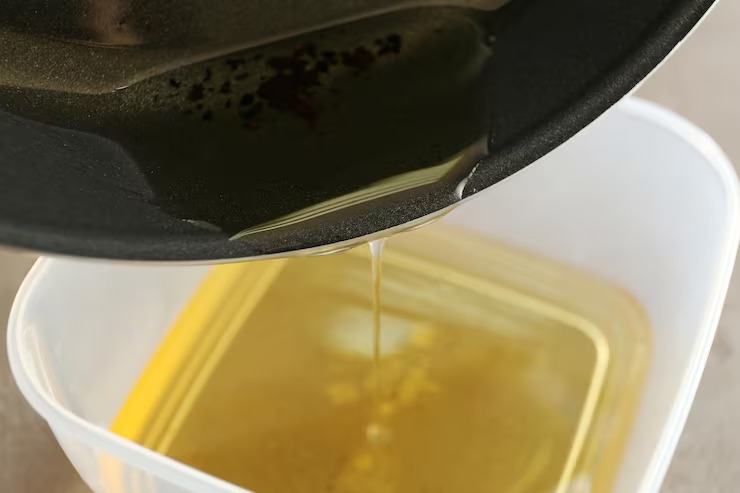
When fuel prices climb high enough, people start thinking differently about what powers their lives. For one farmer in Botswana, that shift happened years ago, and now, with diesel costs spiking again, he is returning to an idea that once saved him thousands.
Instead of relying on the pump, he built his own supply chain from something most people throw away: used cooking oil.
From takeaway scraps to tractor fuel
Back in the early 2000s, the farmer began collecting waste oil from restaurants, takeaways, and lodges. What others saw as greasy waste, he saw as an opportunity.
By processing that oil into biodiesel, he managed to cut down significantly on fuel expenses. The setup was not overly complicated either. With basic tools, a bit of mechanical know-how, and access to enough waste oil, he could produce a usable fuel for his vehicles and machinery.
There was one small trade-off. Occasionally, his vehicle would leave behind the unmistakable smell of fried food. Think fish and chips drifting through the air instead of diesel fumes.
It was a quirky side effect, but one he was willing to live with.
Why this idea is making a comeback
Fast forward to today, and the pressure is back. Diesel prices in the region have surged sharply, with wholesale costs expected to rise by more than R10 per litre in April. Some fuel stations have already pushed prices beyond R30 per litre.
The spike is not random. Global tensions have disrupted key oil routes, particularly around the Strait of Hormuz, a channel that carries a significant portion of the world’s oil supply. With threats to shipping in that region, prices have reacted quickly and sharply.
Closer to home, that means higher costs for farmers, transport operators, and everyday drivers.
So the Botswana farmer has started asking around again, looking for waste cooking oil just like he did years ago.
How biodiesel actually works
Turning used cooking oil into fuel sounds complicated, but the process is more accessible than many would expect.
It involves a method called transesterification. In simple terms, the oil is cleaned, heated, and filtered before being mixed with alcohol and a catalyst. In this case, methanol and sodium hydroxide are used.
These ingredients help separate out impurities and glycerine, leaving behind biodiesel that can be used in standard diesel engines or generators.
The trickiest part is getting the balance right. Because waste oil varies in quality, the mixture needs to be carefully adjusted each time. Once done correctly, the final product is not only usable but can also be gentler on engines than conventional diesel.
The economics behind the idea
At first glance, making fuel from cooking oil might seem expensive. Fresh cooking oil is costly, often far more than crude oil on a per-litre basis.
But the farmer’s advantage came from sourcing waste oil, often for free or at very low cost. That is where the real savings lie.
The additional chemicals required for production are relatively cheap, adding only a small amount per litre. Even with modest equipment, the overall cost can be far lower than buying diesel at current prices.
However, things have changed slightly over time. Waste oil is no longer as freely available as it once was. More businesses have realised its value and now reuse or sell it themselves.

Image 1: MyBroadband
A growing industry, not just a backyard experiment
What started as a farmer’s practical solution has quietly become a broader trend.
Across South Africa, small companies are now collecting used cooking oil and converting it into biodiesel on a larger scale. Some businesses have even transitioned entire operations to run on this alternative fuel.
It is a reminder that innovation does not always start in labs or boardrooms. Sometimes it begins on a farm, with a bit of curiosity and a willingness to try something different.

Image 2: MyBroadband
A familiar lesson for South Africans
For many in Joburg and across the country, the story feels relatable. Whether it is load shedding, rising fuel costs, or water shortages, South Africans have a long history of finding creative ways to adapt.
The idea of turning waste into something valuable is not new here. From backyard solar setups to water storage systems, people are constantly rethinking how to stay ahead of rising costs.
This Botswana farmer’s approach fits right into that mindset. It is practical, resourceful, and rooted in making the most of what is available.
And as fuel prices continue to climb, it might not be long before more people start looking at their local takeaway’s used oil a little differently.
Follow Joburg ETC on Facebook, Twitter, TikT
For more News in Johannesburg, visit joburgetc.com
Source: MyBroadband
Featured Image: Freepik