Business
Petrol price blow: New fuel levy increases to hit South Africa in April 2026
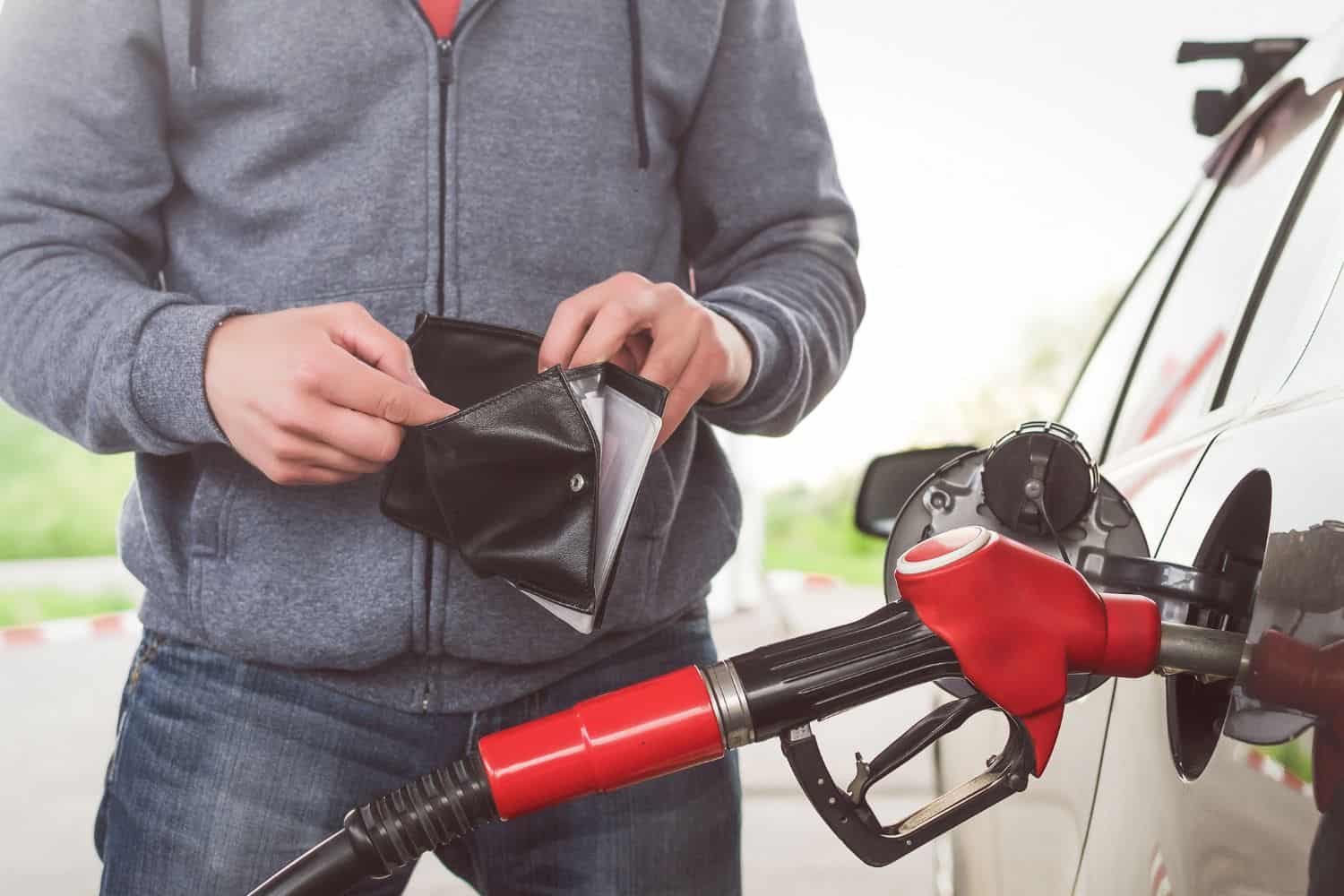
For many South African drivers, the monthly petrol price announcement already feels like a gamble. Now, there is more certainty on at least one front: levies are going up again.
Finance Minister Enoch Godongwana has proposed increases to the general fuel levy, the Road Accident Fund levy, and the carbon fuel levy for the 2026 and 2027 financial year. If approved, the changes will take effect from 1 April 2026.
At a time when households are juggling food costs, school fees, and electricity bills, even a few cents per litre matters.
What exactly is increasing?
According to the National Treasury’s latest budget review, the general fuel levy will rise by 9 cents per litre for petrol and 8 cents per litre for diesel.
From April 2026, this will take the levy to R4.10 per litre for petrol and R3.93 per litre for diesel.
The Road Accident Fund levy, which helps fund compensation for road accident victims, will increase by 7 cents per litre for both petrol and diesel. That pushes it to R2.25 per litre. Notably, this is the first RAF levy increase since the 2021 and 2022 financial year.
There is also a change to the carbon fuel levy. It will increase by 5 cents per litre for petrol and 6 cents per litre for diesel from 1 April 2026. This adjustment aligns with the higher carbon tax rate, which rose from R236 to R308 per tonne of carbon dioxide equivalent from 1 January 2026 under the Carbon Tax Act.
In short, the pump price may not be driven only by global oil markets. Domestic taxes are once again part of the story.
A familiar pattern
This is not the first levy adjustment in recent memory. In June 2025, Godongwana announced an inflation-linked increase to the general fuel levy while presenting the third version of his 2025 Budget Speech. That followed earlier proposals that had been rejected due to a planned VAT hike.
At the time, he made it clear that the fuel levy was the only new tax proposal for the 2025 and 2026 fiscal year. Petrol went up by 16 cents per litre and diesel by 15 cents per litre from 4 June 2025.
For motorists, it has felt like a slow drip rather than a single shock.
The R14 per litre promise that never materialised
The levy increases also raise eyebrows because of earlier political promises.
In 2024, Gwede Mantashe told delegates at African Oil Week in Cape Town that the underlying price of petrol and diesel in South Africa should be around R14 per litre.
He argued that additional charges, such as the general fuel levy and the RAF levy, were pushing prices above R20 per litre. His department’s calculations suggested that without these add-ons, fuel would be significantly cheaper.
President Cyril Ramaphosa later announced that the government would undertake a comprehensive review of the fuel price formula in July 2024.
Yet as of February 2026, those urgent discussions have not produced visible changes. The Department of Mineral and Petroleum Resources has not provided an update on the review.
For drivers who remember the R14 figure circulating on social media, the latest levy hikes feel like a contradiction.
Why this matters on the ground
In Johannesburg, where daily commutes can stretch across townships, suburbs, and business districts, fuel is not a luxury. It is a necessity.
Taxi operators, delivery drivers and small business owners are especially sensitive to price shifts. Even marginal increases can ripple through transport fares and the cost of goods.
National Treasury maintains that the carbon tax plays an integral role in South Africa’s climate change mitigation efforts. The general fuel levy increase is described as being below inflation, while the RAF levy is aligned with expected inflation.
Still, for ordinary motorists, the nuance can get lost in the numbers. What they see is the total at the pump.
The bigger question
South Africa’s fuel price formula has long been criticised as complex and opaque. Between global oil prices, exchange rates, and a range of local levies, it is difficult for the average driver to know what they are really paying for.
The proposed increases for April 2026 underline a key tension. On one hand, the government needs revenue and funding for social obligations such as the RAF and climate commitments. On the other hand, households are already stretched.
Whether the long-promised review of the fuel price formula will eventually bring relief remains to be seen. For now, motorists should brace themselves for another incremental squeeze when April arrives.
Follow Joburg ETC on Facebook, Twitter, TikT
For more News in Johannesburg, visit joburgetc.com
Source: MyBroadband
Featured Image: iStock